There’s a strange moment that happens when you start noticing your water. Not in a dramatic way—no alarms, no obvious breakdown—but in these quiet, almost forgettable details. A faint smell when you turn on the tap. A rusty tint in a bucket that didn’t look that way yesterday. Tiny particles settling at the bottom of a glass.
At first, you shrug it off. Maybe it’s the pipes, maybe it’s temporary. Life moves on. But over time, those little signs begin to form a pattern, and once you see it, it’s hard to ignore.
Water, as simple as it seems, has a way of revealing what’s happening beneath the surface—if you’re paying attention.
The Color You Didn’t Expect
One of the first things people notice is color. Water that looks slightly yellow or reddish can feel unsettling, even if it’s technically safe in small amounts. You fill a bucket, and instead of clear water, there’s a faint tint that wasn’t there before.
This is often linked to minerals like iron or sulfur making their way into your water supply. It’s not uncommon, especially in areas that rely on groundwater. But knowing that doesn’t make it any less frustrating when you’re dealing with stained sinks or discolored laundry.
Addressing iron and sulfur removal becomes less about aesthetics and more about restoring confidence in your water. Because when something as basic as water looks questionable, it affects how you use it—whether you realize it or not.
The Tiny Particles That Add Up Over Time
Then there’s the grit. You might notice it while washing vegetables or filling a glass—tiny particles that seem harmless on their own but persistent enough to raise questions.
These are often signs of sediment buildup issues, which can come from aging pipes, disturbed water lines, or natural deposits in the water source itself. Again, nothing dramatic. Just enough to make things feel slightly off.
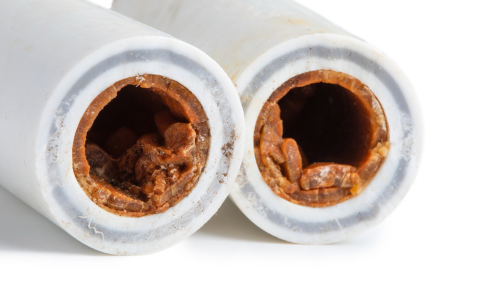
But here’s the thing: sediment doesn’t just sit quietly in your water. It travels. It settles in pipes, clogs fixtures, and reduces the efficiency of appliances over time.
It’s a slow process. One you don’t notice day-to-day. But eventually, it shows up—lower water pressure, worn-out fittings, appliances that don’t last as long as they should.
And suddenly, those tiny particles don’t seem so insignificant anymore.
That Smell You Can’t Quite Explain
If color and particles are visual clues, smell is the one that really sticks with you. It’s hard to ignore a strange odor in your water—especially when it shows up in places you least expect.
You turn on the tap, and there it is. A faint sulfur-like smell. Sometimes it’s stronger in hot water. Sometimes it fades after a few seconds. But it’s enough to make you hesitate.
Understanding bad odor causes isn’t always straightforward. It could be bacteria reacting with minerals. It could be the water source itself. In some cases, it might even be something happening inside your plumbing system.
What matters is recognizing that smell isn’t just an inconvenience—it’s a signal. A way your water is telling you something needs attention.
How These Small Issues Start Affecting Daily Life
Individually, these problems might seem minor. A little discoloration here, a bit of sediment there, an occasional smell. Easy to ignore, easy to work around.
But together, they start shaping your daily routine in ways you don’t always notice.
You might start using more detergent to get your clothes clean. You might rely on bottled water for drinking. You might scrub your bathroom fixtures more often than you used to.
It’s not just about inconvenience—it’s about the quiet adjustments you make without realizing why.
And over time, those adjustments become normal.
The Hidden Impact on Your Home
There’s also a behind-the-scenes effect that doesn’t get enough attention: your home’s infrastructure.
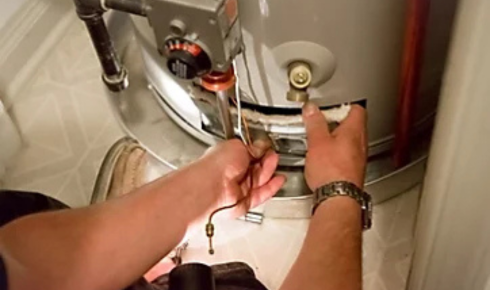
Minerals, sediment, and impurities don’t just affect what you see—they affect what you don’t. Inside your pipes, your water heater, your washing machine.
Build-up happens gradually. Efficiency drops. Energy consumption increases. Repairs become more frequent.
It’s a chain reaction that starts small but grows over time.
And the frustrating part? By the time you notice the bigger issues, they’ve already been developing for a while.
Why Most People Wait Too Long
If all this sounds familiar, you’re not alone. Most people delay addressing water issues because they don’t feel urgent.
There’s no immediate breakdown, no clear “fix this now” moment. Just a series of small annoyances that are easy to push aside.
We tend to prioritize what’s visible and urgent. Water quality sits in that grey area—important, but not demanding attention.
Until it does.
Starting With Awareness, Not Overwhelm
The good news is, you don’t need to tackle everything at once.
Start by noticing. Pay attention to the color, the smell, the feel of your water. These are clues, not problems to panic over.
From there, understanding your water becomes easier. Testing it, identifying the source of issues, and exploring solutions can all happen step by step.
It’s not about perfection. It’s about making things better, one layer at a time.
A Subtle Shift That Changes Everything
Improving your water isn’t a dramatic transformation. It’s not something you’ll showcase or talk about often.
But it’s something you’ll feel.
Clearer water. No odd smells. Fewer stains, less buildup. A home that feels just a little more comfortable, a little more predictable.
And maybe that’s the real value—not in fixing something broken, but in restoring something that should have always been simple.
Because at the end of the day, water isn’t just part of your home.
It’s part of your everyday life.