
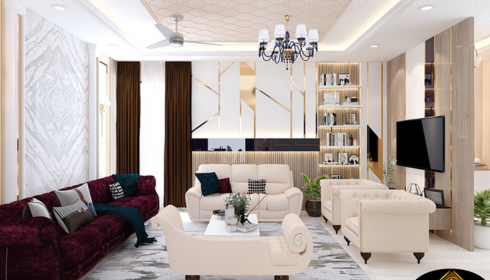
There’s a quiet difference between decorating a house and truly designing a home.
Decorating is often quick—pick a color palette, add some furniture, maybe follow a trend you’ve seen online. It works, at least for a while.
But designing? That’s slower. More thoughtful. A bit messy sometimes.
It asks questions you don’t always expect. Like how you actually live, not how you think you should live. And somewhere in that process, the space begins to shift—from something that looks nice to something that feels right.
When a Home Reflects Your Life, Not Just Your Taste
A lot of people start with aesthetics.
“What style do I like?” “What colors are trending?” “What would look good here?”
And those are fair questions. But they’re only the beginning.
Because a home isn’t just a visual experience—it’s something you move through every day. It holds your routines, your habits, your little moments of chaos and calm.
That’s where custom home interiors start to make sense. Instead of fitting your life into a pre-designed look, the space is shaped around how you actually live.
Maybe you need more storage than you realized. Maybe you prefer open spaces but still want cozy corners. Maybe your idea of comfort looks completely different from what’s trending.
And that’s okay.
In fact, that’s the point.
Why Design Should Never Feel One-Sided
There’s a common misconception that design is something done to you.
You hire someone, they come in with ideas, and you follow along.
But the most meaningful spaces don’t come from one-sided decisions. They come from conversation.
From back-and-forth. From asking questions and sometimes changing your mind halfway through.
That’s what a collaborative design process really looks like. It’s not just about expertise—it’s about listening, adapting, and building something together.
You bring your experiences, your preferences, your quirks.
The designer brings perspective, structure, and a way to tie everything together.
Somewhere in the middle, something unique starts to take shape.
The Starting Point Most People Overlook
Before any furniture is chosen or any walls are painted, there’s an important step that often gets rushed.
Understanding the space—and the people living in it.
A thoughtful design consultation isn’t just a formality. It’s where the foundation is built. It’s where ideas start to connect with reality.
What works? What doesn’t? What’s missing?
Sometimes, it’s not even about big changes. It’s about seeing your home differently—recognizing patterns you didn’t notice before, or possibilities you hadn’t considered.
And once that clarity is there, everything else becomes a little easier.
The Balance Between Function and Feeling
A well-designed home doesn’t force you to choose between beauty and practicality.
It finds a way to do both.
A kitchen can be visually stunning, but if it disrupts your flow, it won’t feel right. A living room can be comfortable, but if it lacks cohesion, it might feel unfinished.
The goal is balance.
Spaces that look good, yes—but also work effortlessly. Where everything has a purpose, even if that purpose isn’t immediately obvious.
And when that balance is achieved, the home feels… complete.
The Details You Don’t Notice (Until You Do)
Some of the most impactful design decisions are the quiet ones.
The placement of a light switch. The height of a shelf. The way natural light moves through a room at different times of the day.
You might not notice these things consciously, but you feel them.
When they’re right, everything feels easy. When they’re not, there’s a subtle friction that’s hard to ignore.
It’s a reminder that good design isn’t just about big gestures—it’s about getting the small things right.
Letting Go of the Idea of “Perfect”
It’s easy to get caught up in trying to create the perfect home.
Perfect layout. Perfect color scheme. Perfect everything.
But real homes aren’t perfect.
They evolve. They reflect change. They carry a bit of unpredictability—and that’s what makes them feel alive.
Sometimes, the best spaces are the ones that allow for a little imperfection. A mix of styles, a few unexpected choices, things that tell a story.
Because at the end of the day, your home should feel like yours—not like a catalog.
When Everything Starts to Click
There’s usually a moment, somewhere along the way, when things start to make sense.
The pieces come together. The layout feels natural. The colors feel balanced.
It’s not a dramatic transformation—it’s more subtle than that.
But you notice it.
And from that point on, the space begins to feel different.
More aligned. More comfortable. More you.
The Emotional Side of Design
We don’t always talk about this, but design is emotional.
The way a room feels can influence your mood more than you realize. A calm space can help you unwind. A well-lit area can boost your energy. A thoughtfully arranged room can make everyday tasks feel easier.
These effects aren’t always obvious, but they’re there.
And over time, they shape how you experience your home.
Coming Back to What Matters Most
At its core, designing a home isn’t about trends or impressing anyone.
It’s about creating a space that supports your life in a way that feels natural and effortless.
A place where you can relax, move freely, and feel at ease.
When that happens—when your home reflects your habits, your personality, your way of living—design stops being something you think about.
It becomes something you live in.
Quietly, comfortably, and without effort.
Exactly the way it should be.