QUICK ANSWER
Key Points
A reliable gutter system does more than move rainwater away from your roof. It directs runoff toward appropriate drainage areas and helps reduce water exposure around your foundation, siding, landscaping, and walkways. In Kalona, IA, seasonal rain, snow, ice, and changing temperatures make proper gutter performance an important part of routine home maintenance. Choosing among gutter companies in Kalona, IA starts with understanding what your property actually needs. A suitable gutter system depends on roof size, roof design, local weather exposure, drainage patterns, and the condition of existing components. Rather than focusing only on appearance, homeowners should evaluate how effectively gutters collect and redirect water during heavy rainfall. When comparing companies, ask whether they carry appropriate insurance, provide a workmanship warranty, form seamless gutter runs on site, and use reliable hangers and fasteners. Local references or examples of completed projects can also help homeowners assess installation quality and service reliability. Why Proper Gutter Drainage Matters Rainwater that flows directly from the roof onto the ground creates concentrated runoff. Over time, repeated water exposure near the foundation can contribute to soil erosion and moisture concerns. Water also affects flower beds, mulch, walkways, and exterior walls when it lacks a controlled drainage path. A properly designed gutter system helps create a more predictable route for roof runoff. Downspouts should discharge water far enough from vulnerable areas and direct it toward suitable drainage points. Extensions, splash blocks, or underground drainage solutions provide additional control where property conditions require them. Signs Your Gutters Need Attention Gutters often provide visible warning signs when they are clogged, damaged, or poorly aligned. Inspect the system after storms and look for changes that indicate drainage problems. Common signs include: a) Water spilling over the sides during rainfall b) Sagging or separated gutter sections c) Loose fasteners or visible gaps d) Rust, cracks, holes, or damaged seams e) Pooling water near the foundation f) Soil erosion beneath downspout outlets g) Peeling exterior paint near gutter edges h) Plants or debris growing inside the gutter channel Addressing these problems early helps prevent minor drainage issues from developing into more expensive exterior or foundation concerns. Choosing the Right Gutter System for a Kalona Home Gutter selection should reflect the structure rather than relying on a one-size-fits-all approach. The roof's pitch and size influence how much water enters the gutter during storms. Gutter dimensions and downspout placement should provide sufficient capacity for expected runoff. As a general starting point, many residential systems use five-inch K-style gutters with two-by-three-inch downspouts, while larger roofs or areas with heavier runoff may call for six-inch gutters paired with three-by-four-inch downspouts. Confirm the appropriate sizing with the client or installer before publishing or applying these figures to a specific property. Material also matters. Aluminum remains a common choice because it is lightweight and resistant to corrosion. Steel provides additional strength but requires attention to potential rust. K-style and half-round profiles are common options, with the appropriate choice depending on the home's design and drainage requirements. Seamless systems reduce the number of joints along long gutter runs, limiting locations where leaks could develop. Hidden hangers can also provide a cleaner appearance while securely supporting the gutter when properly installed. The surrounding landscape also deserves consideration. If water already collects around the home, simply replacing gutter sections will not address the entire drainage problem. Downspout positioning and discharge methods should work with the property's grading and existing drainage features. Gutter Maintenance Tips for Homeowners Regular maintenance keeps water moving through the system and helps reveal damage before it becomes extensive. Remove leaves, twigs, and other debris from gutter channels, especially after autumn leaf fall and major storms. Check downspouts for blockages and confirm that water exits freely. Inspect gutter attachments periodically for movement or separation. After winter, look for dents, loose sections, ice-related damage, and changes in alignment. In Iowa, homeowners should also watch for ice dams, which occur when melting snow refreezes near colder roof edges and can contribute to water backing up beneath roofing materials. A properly positioned drip edge and gutter apron can help direct roof runoff into the gutter system and reduce opportunities for water to collect behind the gutter. Keeping nearby trees trimmed also reduces the amount of debris entering the system. Gutter Services for Better Home Drainage in Kalona, IA Well-maintained gutters provide an important layer of protection for homes in Kalona, IA. From controlling roof runoff to reducing moisture exposure around the foundation, a properly planned system supports long-term property maintenance. When evaluating gutter companies in Kalona, IA, focus on drainage needs, installation quality, materials, downspout placement, workmanship warranties, insurance coverage, local references, and ongoing maintenance. Schedule a professional gutter evaluation to identify drainage problems and determine the right solution for your home.
A reliable gutter system does more than move rainwater away from your roof. It directs runoff toward appropriate drainage areas and helps reduce water exposure around your foundation, siding, landscaping, and walkways. In Kalona, IA, seasonal rain, snow, ice, and changing temperatures make proper gutter performance an important part of routine home maintenance.
Choosing among gutter companies in Kalona, IA starts with understanding what your property actually needs. A suitable gutter system depends on roof size, roof design, local weather exposure, drainage patterns, and the condition of existing components. Rather than focusing only on appearance, homeowners should evaluate how effectively gutters collect and redirect water during heavy rainfall. When comparing companies, ask whether they carry appropriate insurance, provide a workmanship warranty, form seamless gutter runs on site, and use reliable hangers and fasteners. Local references or examples of completed projects can also help homeowners assess installation quality and service reliability.
Why Proper Gutter Drainage Matters
Rainwater that flows directly from the roof onto the ground creates concentrated runoff. Over time, repeated water exposure near the foundation can contribute to soil erosion and moisture concerns. Water also affects flower beds, mulch, walkways, and exterior walls when it lacks a controlled drainage path.
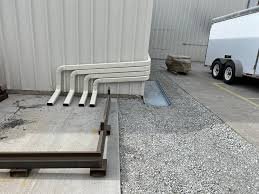
A properly designed gutter system helps create a more predictable route for roof runoff. Downspouts should discharge water far enough from vulnerable areas and direct it toward suitable drainage points. Extensions, splash blocks, or underground drainage solutions provide additional control where property conditions require them.
Signs Your Gutters Need Attention
Gutters often provide visible warning signs when they are clogged, damaged, or poorly aligned. Inspect the system after storms and look for changes that indicate drainage problems.
Common signs include:
a) Water spilling over the sides during rainfall
b) Sagging or separated gutter sections
c) Loose fasteners or visible gaps
d) Rust, cracks, holes, or damaged seams
e) Pooling water near the foundation
f) Soil erosion beneath downspout outlets
g) Peeling exterior paint near gutter edges
h) Plants or debris growing inside the gutter channel
Addressing these problems early helps prevent minor drainage issues from developing into more expensive exterior or foundation concerns.
Choosing the Right Gutter System for a Kalona Home
Gutter selection should reflect the structure rather than relying on a one-size-fits-all approach. The roof’s pitch and size influence how much water enters the gutter during storms. Gutter dimensions and downspout placement should provide sufficient capacity for expected runoff. As a general starting point, many residential systems use five-inch K-style gutters with two-by-three-inch downspouts, while larger roofs or areas with heavier runoff may call for six-inch gutters paired with three-by-four-inch downspouts. Confirm the appropriate sizing with the client or installer before publishing or applying these figures to a specific property.
Material also matters. Aluminum remains a common choice because it is lightweight and resistant to corrosion. Steel provides additional strength but requires attention to potential rust. K-style and half-round profiles are common options, with the appropriate choice depending on the home’s design and drainage requirements. Seamless systems reduce the number of joints along long gutter runs, limiting locations where leaks could develop. Hidden hangers can also provide a cleaner appearance while securely supporting the gutter when properly installed.
The surrounding landscape also deserves consideration. If water already collects around the home, simply replacing gutter sections will not address the entire drainage problem. Downspout positioning and discharge methods should work with the property’s grading and existing drainage features.
Gutter Maintenance Tips for Homeowners
Regular maintenance keeps water moving through the system and helps reveal damage before it becomes extensive. Remove leaves, twigs, and other debris from gutter channels, especially after autumn leaf fall and major storms. Check downspouts for blockages and confirm that water exits freely.
Inspect gutter attachments periodically for movement or separation. After winter, look for dents, loose sections, ice-related damage, and changes in alignment. In Iowa, homeowners should also watch for ice dams, which occur when melting snow refreezes near colder roof edges and can contribute to water backing up beneath roofing materials. A properly positioned drip edge and gutter apron can help direct roof runoff into the gutter system and reduce opportunities for water to collect behind the gutter. Keeping nearby trees trimmed also reduces the amount of debris entering the system.
Gutter Services for Better Home Drainage in Kalona, IA
Well-maintained gutters provide an important layer of protection for homes in Kalona, IA. From controlling roof runoff to reducing moisture exposure around the foundation, a properly planned system supports long-term property maintenance. When evaluating gutter companies in Kalona, IA, focus on drainage needs, installation quality, materials, downspout placement, workmanship warranties, insurance coverage, local references, and ongoing maintenance. Schedule a professional gutter evaluation to identify drainage problems and determine the right solution for your home.