
There’s something oddly comforting about turning on a faucet and watching clear water pour out. It looks clean. It smells fine. Most days, we don’t give it a second thought. But every now and then, a question lingers — what’s really in there?
Water is one of those quiet essentials. We cook with it, bathe in it, fill our coffee pots and pet bowls without hesitation. It’s easy to assume that because it’s clear, it’s perfect. Yet water quality can shift over time, influenced by aging pipes, seasonal changes, and local treatment processes. The only way to move from assumption to certainty is to test it.
And surprisingly, that process is neither complicated nor dramatic. It’s just smart.
Why Testing Matters in Everyday Life
We tend to focus on visible problems. Stains on sinks. Strange odors. Cloudy glasses from the dishwasher. But many water concerns are invisible. Subtle shifts in chemical balance or mineral content may not announce themselves loudly, yet they can still affect taste, plumbing, and even skin comfort.
That’s why testing isn’t about fear — it’s about awareness.
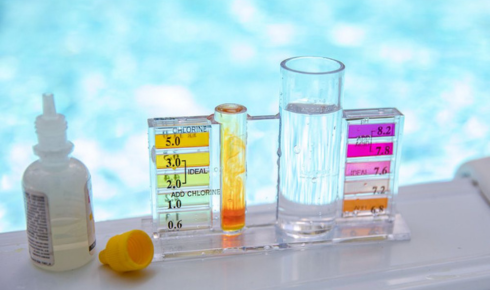
Take ph testing, for instance. The pH level of your water measures how acidic or alkaline it is. If it’s too low, the water can become corrosive, potentially damaging pipes and fixtures over time. Too high, and you might notice scale buildup or a slippery feel after washing.
It’s not something you can judge by sight alone. But once you know the numbers, you understand your water on a deeper level. And that knowledge changes how you approach filtration or treatment decisions.
The Subtle Role of Chlorine
Chlorine plays an important role in municipal water systems. It disinfects, eliminating harmful bacteria and keeping water safe during its journey from treatment plant to home. Without it, public water systems would face serious risks.
But chlorine has a personality. It’s noticeable.
Sometimes it’s just a faint swimming pool scent. Other times, it leaves an aftertaste that lingers in your morning coffee or tea. That’s where chlorine testing becomes useful. Measuring chlorine levels helps determine whether your water contains residual disinfectant within acceptable limits — or whether it’s time to consider additional filtration.
It’s not about eliminating chlorine entirely without understanding why it’s there. It’s about balance. Enough to ensure safety, not so much that it affects everyday comfort.
Testing gives you context. Instead of guessing why your water tastes different after a heavy rainstorm or system maintenance in your area, you have measurable insight.
Beyond the Basics: A Broader Look at Your Water
Sometimes, individual tests are only part of the picture. You may check pH. You may measure chlorine. But water is a blend of many elements — minerals, dissolved solids, metals, and organic compounds.
That’s where comprehensive water analysis steps in. This broader evaluation looks at multiple parameters at once, providing a clearer understanding of your water’s overall composition.
For homeowners relying on well water, a full analysis can reveal iron levels, hardness, or potential bacterial presence. For those on municipal supplies, it can confirm whether home plumbing might be influencing water chemistry.
It’s less about panic and more about clarity. Think of it like a routine health checkup. You may feel fine, but having data reinforces confidence.
DIY Kits or Professional Testing?
Walk into any hardware store and you’ll find shelves lined with water testing kits. They’re affordable and convenient — a good starting point for basic checks.
But there’s a difference between a simple strip test and laboratory-level analysis. Professional services often provide more precise readings, particularly for complex issues or well water systems. If you’re dealing with persistent staining, metallic taste, or unusual odors, a deeper test may be worth it.
Some companies even offer initial assessments at no cost, making it easier to get answers without a major commitment.
The key is choosing the level of testing that matches your concerns. Not every situation requires extensive lab work, but dismissing symptoms without testing rarely solves anything.
Small Changes, Big Impact
Understanding your water doesn’t necessarily mean installing an elaborate filtration system. Sometimes, minor adjustments make a noticeable difference.
A carbon filter can reduce chlorine taste. A neutralizer may correct low pH. A water softener might address mineral buildup. But those solutions only make sense once you know the underlying issue.
Testing prevents overcorrection. It keeps you from investing in equipment you don’t need. And perhaps most importantly, it builds confidence in the water you use every day.
Because water is constant. It touches nearly everything in your home — cooking, cleaning, bathing. When it’s balanced and properly maintained, it supports those routines quietly and efficiently.
Peace of Mind in a Glass of Water
There’s something grounding about knowing your water has been checked and understood. It transforms a daily habit — pouring a glass from the tap — into a small act of trust backed by information.
We often focus on visible home upgrades. Fresh paint. New appliances. Updated lighting. But the unseen systems matter just as much. In some ways, they matter more.
Testing your water doesn’t require fanfare. It doesn’t demand attention. But it offers something valuable: reassurance.
And in a world where we question so much, having clarity about something as essential as water feels surprisingly empowering.