
There’s something oddly comforting about turning on a tap and knowing the water flowing out is clean, balanced, and safe. Most of us don’t think much about it. Water is just… there. But behind that simple moment—filling a glass, brewing morning coffee, rinsing vegetables—there’s usually a whole system quietly doing its job.
And when that system works well, life at home simply feels smoother.
Hard water, sediment buildup, chlorine taste—these are things many households deal with without realizing how easily they can be improved. Water treatment technology has come a long way, and today’s solutions aren’t just for industrial facilities or rural properties. They’re becoming a normal part of modern homes.
When Water Quality Becomes Personal
You notice the signs slowly. Soap that doesn’t lather quite right. Glassware that comes out of the dishwasher with faint white spots. Maybe your skin feels a little dry after a shower.
It’s not dramatic, but it’s persistent.
Hard water minerals like calcium and magnesium can cause those issues, and over time they can affect appliances too. Water heaters, washing machines, even plumbing lines—minerals gradually leave their mark.
That’s usually when homeowners start exploring treatment systems. Some go for filtration units, others choose softeners, and many combine the two. The idea isn’t just cleaner water; it’s protecting the things that rely on it every day.
The Hidden Engineering Behind Soft Water
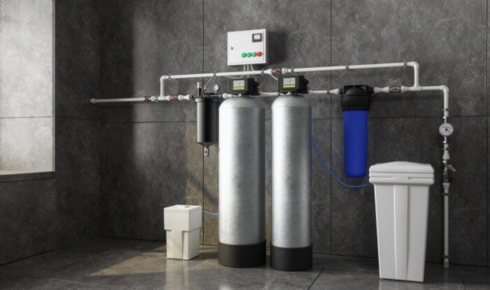
A water softening system might look simple from the outside, but inside it’s actually a carefully designed piece of equipment. Resin tanks, control valves, bypass lines—it’s a bit like a small ecosystem working quietly in the background.
Understanding soft water system parts helps homeowners appreciate what’s happening behind the scenes. The resin beads inside the tank, for example, play the central role. They exchange hardness minerals with sodium or potassium ions, effectively softening the water before it travels through the rest of the home.
Then there’s the control valve, which regulates regeneration cycles. It decides when the system needs to flush out collected minerals and refresh the resin bed. A good valve system can make a huge difference in efficiency and lifespan.
It’s one of those things people rarely think about… until they realize how much smoother everyday routines feel with softened water.
Filtering What You Can’t Always See
While softeners tackle hardness, filtration systems focus on contaminants—sediment, chlorine, organic compounds, and sometimes even microscopic particles.
Water filtration isn’t just about taste, though that’s often the first thing people notice. It’s about consistency and trust. When the water running through your home has been filtered properly, cooking tastes better, beverages feel fresher, and even pets seem to prefer it.
Many homeowners are now exploring advanced filtration products that go beyond basic carbon filters. Multi-stage filtration units, reverse osmosis systems, and UV purification have become increasingly accessible. What used to require specialized installation in commercial settings can now fit neatly under a kitchen sink.
Technology tends to move quietly like that. One day it’s expensive and rare, the next day it’s part of everyday living.
The Often-Overlooked Routine That Keeps Everything Running
Water systems are dependable, but they aren’t completely maintenance-free. Every system eventually needs replenishment or servicing.
For water softeners, salt plays a central role in the regeneration process. Without it, the system simply can’t continue removing hardness minerals. That’s why many homeowners rely on salt delivery services rather than hauling heavy bags from the store themselves.
It’s a small convenience, but an appreciated one.
Regular deliveries ensure the system keeps functioning properly without interruptions. Plus, many services now offer monitoring plans where technicians check system performance, clean components, and adjust settings if needed.
Think of it like routine car maintenance. You might not notice the benefit immediately, but over time it prevents bigger problems.
A Subtle Upgrade That Changes Daily Life
What’s interesting about water treatment systems is how subtle their impact is. They don’t announce themselves loudly. There’s no flashy display or dramatic transformation.
Instead, the changes appear gradually.
Laundry feels softer. Dishes dry without streaks. Faucets stay cleaner longer. Even the lifespan of appliances can improve because mineral buildup isn’t slowly accumulating inside heating elements and pipes.
For many homeowners, the real benefit is peace of mind. Water becomes something they don’t have to worry about.
And honestly, in a busy household, that kind of quiet reliability is worth a lot.
Choosing the Right Setup for Your Home
No two homes have identical water conditions. Municipal supplies vary widely, and private wells can differ even more. That’s why water testing is often the first step before installing any treatment system.
A professional assessment typically looks at hardness levels, chlorine content, sediment presence, and sometimes bacteria or heavy metals. With that information, homeowners can build a system that actually fits their needs instead of guessing.
Some homes only need basic softening. Others benefit from a layered approach—softener, filtration, and sometimes reverse osmosis for drinking water.
It’s not about having the most complicated system. It’s about having the right one.
Clean Water as a Quiet Luxury
If you step back and think about it, reliable clean water is one of the most underrated comforts of modern life.
We expect it instantly, without hesitation.
Yet achieving that consistency often requires thoughtful systems working quietly behind the walls of a home. Softening units removing minerals. Filters capturing impurities. Maintenance routines ensuring everything stays balanced.
When those pieces come together, the result isn’t dramatic—it’s simply better living.