
Walk into a busy restaurant on a Friday night, or step inside a convenience store on a hot afternoon, and everything seems to work effortlessly. Drinks are cold. Ice is ready. Refrigerated displays hum quietly. Customers move in and out without noticing anything unusual.
And that’s exactly the point.
The most important systems in commercial spaces are designed to go unnoticed. They operate in the background, supporting daily operations without ever demanding attention — until something breaks. Then suddenly, what once felt invisible becomes impossible to ignore.
Cooling equipment, storage systems, and maintenance routines form the backbone of many businesses, quietly keeping operations stable and customers satisfied.
Why Temperature Control Is Essential for Daily Operations
In commercial environments, temperature stability isn’t just about comfort. It directly impacts product quality, safety, and customer experience.
Restaurants rely on consistent cooling to preserve ingredients. Retail stores depend on refrigeration to keep beverages fresh. Hospitality businesses need reliable climate control to maintain welcoming environments.
When these systems function smoothly, everything feels seamless. Employees can focus on their tasks, customers feel comfortable, and operations run efficiently.
But even minor equipment failures can disrupt workflows quickly. A malfunctioning cooler or inconsistent temperature can lead to product loss, health risks, and customer dissatisfaction.
This is why reliable maintenance practices are not optional — they’re essential.
The Hidden Importance of Ice Production Systems
Few people think about ice unless it’s missing. Yet for many businesses — restaurants, bars, hotels, healthcare facilities — ice is an everyday necessity.
From chilled beverages to food preservation, ice plays a critical role in daily operations. When production systems fail, disruptions can occur immediately.
That’s where professional ice machine services become vital. Regular cleaning, inspection, and maintenance ensure ice production remains consistent and sanitary.
Over time, mineral buildup, mechanical wear, and clogged filters can reduce system efficiency. Routine servicing helps prevent these issues before they affect performance.
Because in commercial settings, even something as simple as ice can make a significant difference.
Cooling Systems That Shape Customer Experience
In convenience stores and beverage retailers, specialized refrigeration setups play a unique role in customer engagement.
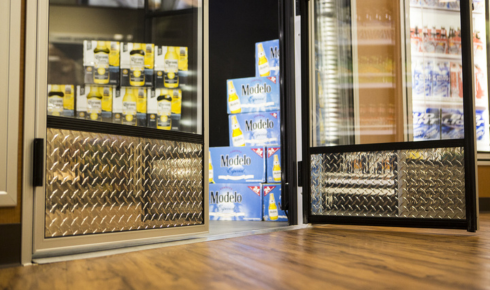
One example is beer cave systems, which provide walk-in refrigerated spaces designed specifically for beverage storage. These systems allow customers to enter chilled environments and select products directly.
Beyond functionality, beer caves create a distinctive shopping experience. Customers often associate them with freshness and convenience, enhancing overall satisfaction.
Maintaining these systems requires careful temperature calibration and routine inspections. Even slight fluctuations can affect product quality and energy efficiency.
When properly maintained, beer cave systems contribute to both operational stability and customer loyalty.
The Role of Preventive Care in Business Reliability
One of the most effective ways to ensure equipment longevity is proactive maintenance. Waiting until systems fail often results in higher repair costs and unexpected downtime.
Routine commercial maintenance includes regular inspections, cleaning, and performance monitoring. These practices help identify minor issues before they escalate into major problems.
Preventive care not only extends equipment lifespan but also improves energy efficiency. Well-maintained systems consume less power and operate more reliably.
For businesses that depend heavily on cooling and refrigeration infrastructure, preventive maintenance offers a practical way to protect investments and maintain consistent operations.
The Emotional Value of Reliable Infrastructure
While cooling systems are often discussed in technical terms, they also influence emotional aspects of business environments.
Employees feel more confident working in spaces where equipment operates reliably. Customers feel more comfortable in environments where products remain fresh and conditions remain consistent.
Reliable infrastructure creates a sense of stability that supports both productivity and customer trust.
Conversely, frequent equipment failures can lead to frustration, operational delays, and negative customer perceptions.
Maintaining dependable systems quietly contributes to a positive business atmosphere.
Small Improvements That Make a Big Difference
Enhancing cooling system performance doesn’t always require major upgrades. Often, simple adjustments can produce meaningful results.
Replacing worn components, improving airflow, and upgrading monitoring tools can significantly enhance system efficiency.
Over time, these incremental improvements help businesses maintain stable conditions while reducing operational costs.
Many organizations discover that consistent attention to maintenance delivers long-term benefits far exceeding initial investments.
Because reliability often comes from steady care rather than dramatic changes.
The Role of Technology in Modern Cooling Management
Technological advancements have transformed how businesses monitor and maintain cooling systems. Smart sensors now allow real-time tracking of temperature and equipment performance.
Automated alerts notify technicians of potential issues before they disrupt operations. Energy-efficient designs help reduce environmental impact while maintaining consistent performance.
These innovations provide businesses with greater control and flexibility, allowing them to respond quickly to changing conditions.
However, even advanced technology requires proper oversight to function effectively.
Expert maintenance remains essential to ensuring systems perform as intended.
A Thoughtful Ending: The Invisible Foundation of Business Success
Behind every successful commercial operation lies a network of systems working quietly to maintain stability.
Cooling equipment preserves products. Ice production supports daily service. Preventive maintenance ensures consistent performance.
These systems rarely receive attention when they function properly — yet they play a critical role in business success.