
There’s a strange silence that falls over a kitchen when something stops working. Not the peaceful kind—more like the uneasy quiet that makes you stare at your stove, dishwasher, or fridge and wonder what went wrong. Kitchens are the heart of most homes, after all. When an appliance fails, it’s not just an inconvenience; it disrupts daily rhythm.
I’ve noticed something interesting over the years: appliances rarely break at a “convenient” moment. The dishwasher starts acting up when you’ve just hosted a dinner. The stove misbehaves during a busy weekday evening. And the ice maker? Well, it seems to stop producing ice right before guests arrive. Funny how that works.
The good news is that many of these problems aren’t as mysterious as they first appear. With a little understanding—and sometimes just a bit of patience—you can often figure out what’s going on before calling a professional.
When Your Stove Starts Acting Strange
Cooking should feel simple. Turn a knob, ignite the flame, or switch on the burner. Yet when a stove stops heating properly, the frustration kicks in quickly.
One of the most common issues people encounter is uneven heating. Maybe one burner barely warms up while another runs far too hot. In gas stoves, this can sometimes be caused by clogged burner ports. A tiny buildup of grease or food debris can interrupt the gas flow and cause inconsistent flames.
Electric stoves can have similar quirks. Burners might appear to work but never reach the right temperature. Often, this is linked to a worn-out heating element or a faulty connection underneath the cooktop.
In these moments, homeowners often start searching for stove repair tips online. Sometimes the fix is surprisingly simple—cleaning burners, checking connections, or replacing a basic component. Other times, it’s a sign that a technician should step in before the problem grows bigger.
The key is noticing the early signs: longer cooking times, strange clicking sounds, or burners that refuse to cooperate. Those little warnings usually appear before a complete breakdown.
The Dishwasher Dilemma
A dishwasher is one of those appliances people don’t fully appreciate until it stops working. Suddenly the kitchen sink becomes a mountain of plates, glasses, and cutlery. And let’s be honest—washing everything by hand isn’t anyone’s idea of a relaxing evening.
Common dishwasher issues often revolve around poor cleaning performance. Dishes come out cloudy, food particles remain stuck, or water pools at the bottom of the machine. When that happens, many homeowners assume the appliance is dying.
But sometimes the problem is surprisingly basic.
Clogged spray arms, for example, can prevent water from circulating properly. Food debris trapped in filters can block drainage. Even using the wrong type of detergent can lead to disappointing results.
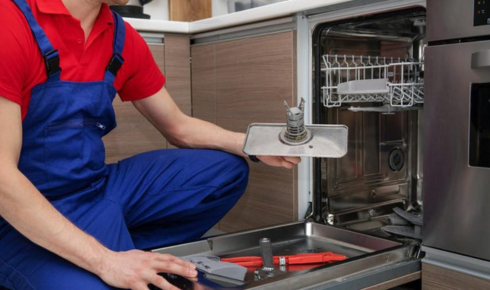
Looking into reliable dishwasher solutions often starts with simple maintenance steps: cleaning filters, checking the drain hose, and running a hot cleaning cycle with vinegar or a dishwasher cleaner. These small actions can dramatically improve performance.
Of course, when strange grinding noises or leaks appear, it may be time for professional help. Water and electrical systems inside dishwashers are complex, and guessing too much can create bigger problems.
The Curious Case of the Ice Maker
Refrigerators have evolved quite a bit over the years. Today’s models come with smart features, touch panels, and built-in ice dispensers. Yet for all that technology, ice makers remain oddly temperamental.
You may notice cubes forming more slowly than usual. Or maybe they stop appearing altogether. Sometimes the machine produces oddly shaped ice or clumps that stick together.
The reasons behind this can range from simple to surprisingly technical.
Water supply issues are often the culprit. A partially closed valve or kinked water line can restrict flow. Temperature changes inside the freezer can also affect how quickly ice forms. Even a small sensor malfunction can stop the entire process.
When homeowners search for an ice maker fix, they’re often relieved to discover that resetting the unit or clearing a frozen water line solves the problem. Other times, though, replacing a valve or sensor becomes necessary.
It’s one of those appliances where patience helps. A quick inspection and a bit of troubleshooting can often save both time and money.
Maintenance: The Quiet Secret to Longer Appliance Life
Most appliance breakdowns don’t happen overnight. They build slowly, quietly—like a small crack in a sidewalk that eventually spreads.
Regular maintenance can make a huge difference. Cleaning filters, checking hoses, wiping down burners, and keeping appliance interiors clear of buildup all contribute to smoother operation.
It’s not glamorous work. Nobody brags about cleaning a dishwasher filter on a Saturday afternoon. But those small habits can extend appliance life by years.
Think of it like maintaining a car. Ignore the oil changes and strange noises, and eventually something expensive breaks.
Appliances behave the same way.
The Value of Knowing When to Call a Professional
There’s a certain satisfaction in fixing something yourself. Tightening a loose part, cleaning a clogged component, or resetting a system can feel oddly rewarding.
But it’s also important to know when to step back.
If an appliance involves electrical wiring, gas connections, or persistent leaks, professional repair is often the safer route. Experienced technicians have tools and knowledge that most homeowners simply don’t.
And sometimes, the issue isn’t repair at all—it’s replacement. Older appliances may cost more to fix than they’re worth.
Final Thoughts: A Kitchen That Works With You
A well-functioning kitchen makes everyday life easier in ways we rarely notice. Meals get cooked faster, dishes disappear from the sink, and cold drinks stay within reach.
So when an appliance acts up, it’s worth taking a moment to understand the problem before panicking. Often, a little troubleshooting goes a long way.
And when repairs are needed, addressing them early keeps small problems from turning into expensive ones.