
Most people don’t think much about water until it starts causing problems. Maybe the coffee tastes slightly off one morning, or glasses come out of the dishwasher with a cloudy film that won’t wipe away. Sometimes it’s more subtle — skin feeling unusually dry after showers, or appliances not performing as efficiently as they once did.
These small signs often get dismissed at first. Life moves quickly, and water seems like one of those things that should just… work. But over time, those little inconveniences begin to add up. And that’s usually when homeowners and business owners alike begin to realize something important: water quality isn’t just about safety — it’s about daily comfort, performance, and long-term reliability.
The Complexity Behind Everyday Water
Water may look simple, but it rarely is. Depending on the source and location, it can carry minerals, chlorine, sediments, or even microscopic contaminants that affect how it behaves.
For instance, water that contains high mineral content might be perfectly safe to drink, yet still cause scale buildup inside pipes and equipment. Similarly, treated municipal water often contains disinfectants that ensure safety but can affect taste and odor.
This is why modern water treatment has evolved far beyond basic filtration. Today’s systems are designed to address specific challenges rather than applying one universal solution.
That’s where specialty water solutions come into play. These systems are tailored to unique water conditions — whether that means addressing hardness, removing iron deposits, neutralizing acidity, or reducing chemical residues. Instead of simply filtering particles, they transform water properties to suit the exact needs of a home or business.
It’s a bit like customizing a pair of shoes. A generic size might work, but a tailored fit provides far better comfort and performance.
When Water Quality Impacts Business Operations
While homeowners often notice water quality through comfort and taste, businesses experience its effects in much more measurable ways. Restaurants, hospitals, manufacturing facilities, and hospitality industries all rely heavily on consistent water quality to maintain operations.
In a commercial kitchen, for example, poor water quality can affect food preparation, damage equipment, and increase maintenance costs. In industrial settings, mineral buildup can reduce efficiency and lead to unexpected downtime.
This is why many organizations invest in commercial water filters. These systems are designed for higher capacity and durability, ensuring consistent performance under demanding conditions.
Unlike residential filters, commercial systems must handle large volumes of water while maintaining precise filtration standards. They are engineered to support continuous operations without compromising quality.
And perhaps most importantly, they protect expensive equipment — from coffee machines to industrial boilers — from damage caused by untreated water.
The Role of Advanced Purification
Beyond filtration, purification plays a crucial role in delivering truly high-quality water. Filtration removes particles and certain contaminants, but purification systems go further by targeting microorganisms, chemical residues, and dissolved impurities.
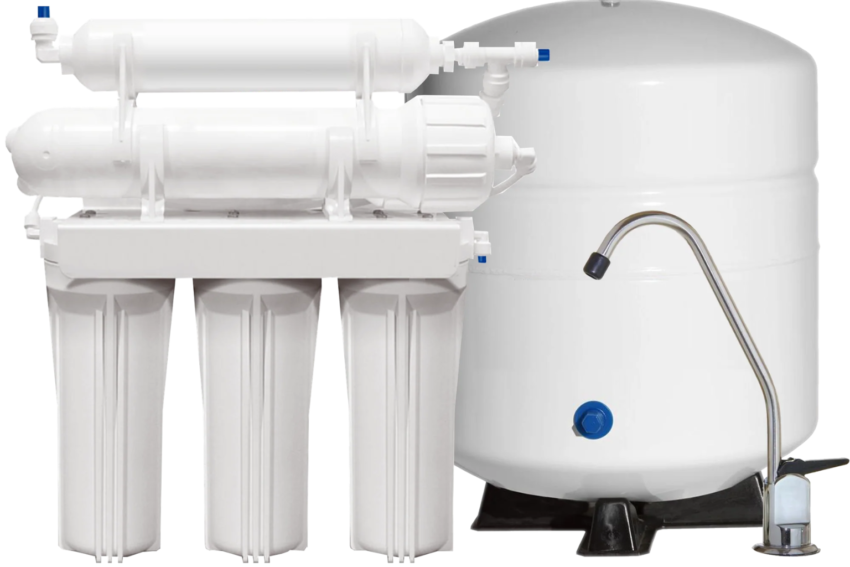
Modern purification products often incorporate advanced technologies such as reverse osmosis, ultraviolet sterilization, or activated carbon treatment. These methods ensure water not only looks clean but also meets high standards of purity.
This level of treatment is especially important in healthcare facilities, laboratories, and industries where water quality directly affects outcomes.
But even in residential settings, purification systems can significantly improve taste, clarity, and overall reliability of drinking water.
The Long-Term Benefits of Water Treatment
Investing in advanced water solutions provides benefits that extend far beyond immediate comfort. Proper treatment helps prevent scale buildup, reduces maintenance costs, and extends the lifespan of appliances and plumbing systems.
Water heaters operate more efficiently. Dishwashers perform better. Pipes remain cleaner over time. These improvements translate into energy savings and fewer repair expenses.
There’s also an environmental advantage. When high-quality water is readily available, reliance on bottled water decreases significantly. This reduces plastic waste and promotes more sustainable consumption habits.
Technology Is Transforming Water Management
One of the most exciting developments in water treatment is the integration of smart technology. Modern systems now include sensors and digital monitoring tools that track water quality, usage patterns, and filter performance.
Some systems can automatically adjust treatment levels based on real-time data, ensuring consistent results without manual intervention.
This shift toward intelligent water management makes maintenance easier and more efficient, allowing homeowners and businesses to focus on daily activities rather than system upkeep.
The Human Side of Water Quality
Perhaps the most overlooked aspect of water treatment is its emotional impact. Reliable, clean water creates a sense of reassurance that’s difficult to quantify but easy to feel.
There’s comfort in knowing that the water used for cooking, cleaning, and drinking is consistently high quality. It removes small daily worries and contributes to overall well-being.
In business environments, this confidence extends to customers as well. Clean water enhances product quality, improves customer satisfaction, and reinforces trust in service standards.
A Quiet Foundation of Modern Living
Water treatment systems may operate quietly in the background, but their impact is far-reaching. They influence everything from personal comfort and appliance performance to operational efficiency and environmental sustainability.
What makes them remarkable is their subtlety. When they work properly, they’re almost invisible — yet they shape everyday experiences in countless ways.
And perhaps that’s the most important takeaway: investing in better water isn’t just about solving problems. It’s about creating a more comfortable, reliable, and sustainable environment for both homes and businesses.
Because in the end, water isn’t just something we use — it’s something we live with, every single day.