Why a Water Softener Deserves More Attention Than It Gets
A water softener isn’t exactly the most exciting appliance in your home. It doesn’t make noise, it doesn’t sit in the middle of the kitchen, and most people rarely think about it. That’s probably why it’s so easy to forget it’s there. But when it stops doing its job, you notice surprisingly fast.
Hard water has a way of leaving little reminders everywhere. White spots appear on dishes, soap becomes harder to rinse away, showerheads begin clogging, and clothes don’t feel quite as soft after laundry. These small inconveniences gradually become everyday frustrations, all because minerals like calcium and magnesium are making themselves at home inside your plumbing system.
The good news is that preventing these problems doesn’t require complicated maintenance. A few simple habits and occasional checkups can keep your water softener working reliably for years.
Hard Water Is Tougher on Your Home Than You Think
Most people associate hard water with stained sinks or cloudy glassware, but the real impact happens behind the walls where nobody can see it.
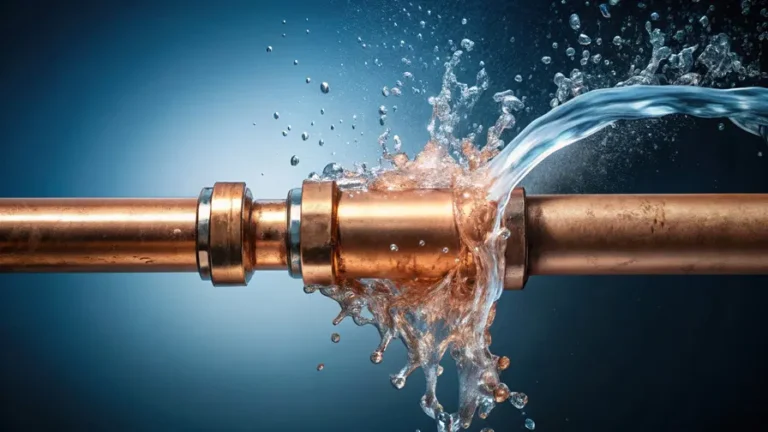
Minerals slowly build up inside pipes, water heaters, washing machines, dishwashers, coffee makers, and even refrigerator water lines. Over time, those deposits reduce water flow and force appliances to work harder than they were designed to.
It’s a bit like trying to breathe through a straw. Everything still functions, but not nearly as efficiently.
A properly operating water softener removes those hardness minerals before they have the opportunity to create costly damage. It’s quietly protecting your home every single day, whether you realize it or not.
Consistency Matters More Than Complicated Maintenance
Homeowners sometimes assume water softeners require constant attention or expensive servicing. In reality, they’re fairly low-maintenance systems.
The biggest factor is consistency.
Checking salt levels every few weeks, inspecting the brine tank occasionally, and making sure the system regenerates properly often prevents larger issues from developing later.
Maintaining a steady supply of quality water softener salt helps ensure the system can regenerate as intended. Without enough salt, the resin beads responsible for removing minerals simply can’t do their job effectively. Before long, hard water begins flowing through the house again, often without immediate warning.
It’s one of those small maintenance habits that delivers outsized benefits.
Better Water Improves Everyday Life
Softened water doesn’t dramatically change your routine, but it quietly improves dozens of little moments throughout the day.
Soap lathers faster. Shampoo rinses more completely. Towels remain fluffy instead of becoming stiff. Your favorite coffee maker stays cleaner for longer, and dishes come out sparkling without needing extra rinse aid.
Many homeowners also discover they’re using less detergent, soap, shampoo, and household cleaners because soft water naturally allows cleaning products to work more efficiently.
It’s amazing how something as simple as water quality can influence so many daily routines without us even noticing.
Professional Inspections Can Catch Problems Early
Even if you’re comfortable performing basic maintenance, occasional professional inspections are still worthwhile.
Water softeners contain valves, resin tanks, control heads, injectors, and programming settings that gradually experience normal wear. Small issues often develop long before they become obvious.
That’s where expert technicians make a real difference. They know exactly what signs to look for, whether it’s reduced regeneration efficiency, hidden leaks, worn seals, or programming adjustments that improve overall operation.
A routine inspection often costs far less than replacing damaged appliances or repairing plumbing affected by untreated hard water.
Sometimes peace of mind is worth just as much as the repair itself.
Don’t Ignore Small Warning Signs
Water softeners rarely fail overnight.
Instead, they usually leave subtle clues that something isn’t quite right.
Maybe your dishes start showing faint mineral spots again. Your skin feels slightly drier after showers. Soap doesn’t seem to lather as well as it did a few months ago. Perhaps you notice the system regenerating more frequently—or not at all.
These changes can be easy to dismiss because they happen gradually.
Paying attention to these early signals allows small adjustments before they become expensive service calls. Like most household equipment, early action almost always saves money in the long run.
Seasonal Maintenance Is Easier Than Emergency Repairs
Many homeowners tie water softener maintenance to the changing seasons, which is actually a smart habit.
Every few months, lift the lid on the brine tank and check for hardened salt bridges or clumps that could interfere with proper operation. Look around the unit for moisture or small leaks, and confirm that regeneration cycles are occurring normally.
If your family size changes or water usage increases due to visitors or seasonal activities, you may also need to adjust regeneration settings.
These quick inspections typically take less than fifteen minutes, yet they help prevent months of unnoticed inefficiency.
Protecting More Than Just the Water Softener
One interesting thing about maintaining a water softener is that you’re really protecting everything connected to it.
The water heater benefits from reduced scale buildup. Washing machines stay cleaner internally. Dishwashers perform more efficiently. Faucets remain free from stubborn mineral deposits, and plumbing fixtures generally enjoy a longer lifespan.
Even energy efficiency improves because appliances don’t have to work through layers of accumulated mineral scale.
That’s a pretty impressive return from one system quietly doing its job behind the scenes.
Good Maintenance Leads to Better Long-Term Performance
Every homeowner hopes major appliances will last as long as possible.
Fortunately, water softeners are designed for durability when properly maintained. Routine inspections, quality salt, occasional cleaning, and timely servicing all contribute to optimal system performance over many years.
The goal isn’t perfection. It’s simply consistency.
When small maintenance tasks become part of your normal household routine, your water softener can continue protecting your plumbing and appliances without demanding much attention in return.
The Quiet Value of Staying Ahead
Water softeners rarely receive the appreciation they deserve because they’re designed to work quietly in the background. They don’t ask for much—just occasional attention and a little preventive care.
That modest effort pays off in countless ways. Cleaner dishes, softer laundry, lower energy consumption, healthier plumbing, fewer appliance repairs, and more enjoyable water throughout the home all trace back to a system that’s doing exactly what it should.
In many ways, the best-maintained water softener is the one you almost never think about. It simply works, day after day, keeping hard water problems from becoming part of your everyday life.
And honestly, that’s exactly how a reliable home system should be.