A plumbing emergency has a way of changing the mood of an entire house in minutes. One moment you’re making coffee, and the next you’re standing in the kitchen wondering why there’s water coming from somewhere it definitely shouldn’t.
The natural reaction is panic. But the first few decisions you make can have a real impact on the amount of damage your property suffers. Knowing what counts as an emergency, what you can safely do yourself, and when to call a professional can make a stressful situation much easier to manage.
When a Leak Becomes an Emergency
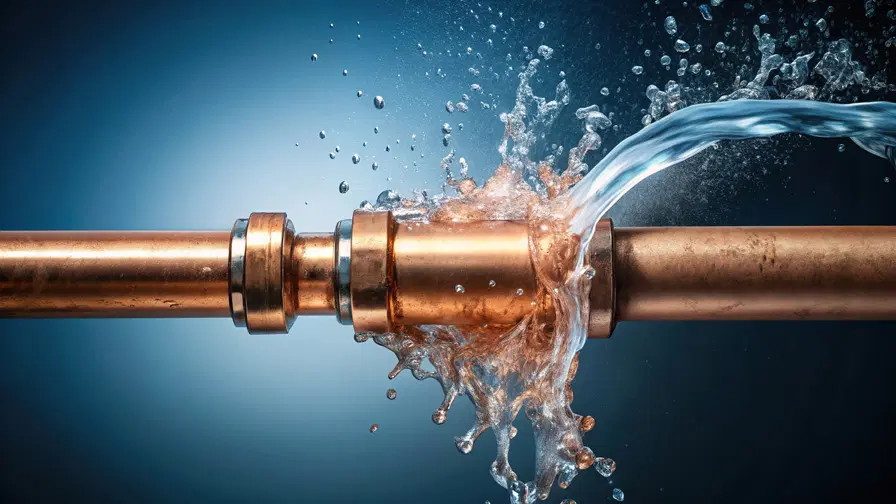
A small faucet drip isn’t usually a reason to call someone in the middle of the night. A burst or actively leaking pipe, however, is a completely different matter.
A broken supply line can release a large amount of water surprisingly quickly. If the leak is inside a wall, underneath flooring, or near electrical equipment, the potential damage becomes even more concerning.
If you can safely reach the appropriate shut-off valve, turn off the water first. Don’t spend precious time trying to identify every detail of the failure. Stopping the flow is the priority while you arrange professional help.
Sewer Problems Need Immediate Attention
Not all plumbing emergencies involve clean water. Sometimes the problem is coming from the other direction.
A sewer backup can cause contaminated water to enter bathrooms, drains, basements, or other parts of the property. Apart from the obvious mess, wastewater can create unpleasant odors and sanitation concerns.
Avoid direct contact with sewage whenever possible. Keep children and pets away from affected areas, and don’t continue using fixtures that appear connected to the backup. A professional can determine whether the issue is inside the property or related to the larger sewer line.
The sooner the source is identified, the easier it may be to contain the problem.
A Completely Blocked Drain Is More Than an Annoyance
A slow drain is usually a warning sign. Water that barely moves at all is harder to ignore.
A complete drain or sewer blockage can stop normal household activities and may eventually lead to overflowing fixtures or backups. Trying to solve a serious blockage with repeated chemical treatments isn’t always a good idea. Some products can damage certain pipes, and mixing different chemicals can create dangerous reactions.
For a persistent or complete blockage, professional equipment may be necessary. Plumbers can use tools designed to locate and clear obstructions without relying on guesswork.
What You Should Do While Waiting for Help
Once you’ve called a professional, there are still a few sensible things you can do.
First, keep the affected area clear. Move furniture, boxes, rugs, and other valuables away from standing water if you can do it safely.
If water has reached electrical outlets, appliances, or wiring, don’t walk through the area or attempt to unplug equipment. Electrical hazards and water are a dangerous combination.
Take a few photos of the damage when it’s safe to do so. These may be useful for documenting what happened, especially if you’re dealing with insurance or property management.
Then, honestly, wait. Trying to dismantle pipes while you’re stressed rarely makes things better.
Why Quick Professional Help Matters
Water doesn’t wait patiently while you figure things out. It spreads, seeps, and finds surprisingly small gaps.
A professional plumber can assess the situation, isolate the problem, and determine whether a repair or replacement is needed. More importantly, they can look beyond the visible symptom.
For example, a leaking connection may have failed because of corrosion, excessive pressure, age, or another underlying issue. Simply replacing the visible fitting might solve today’s problem but leave the larger cause untouched.
Good emergency service should therefore focus on both immediate control and proper diagnosis.
How to Prepare Before Something Goes Wrong
Preparation sounds boring until the day you need it.
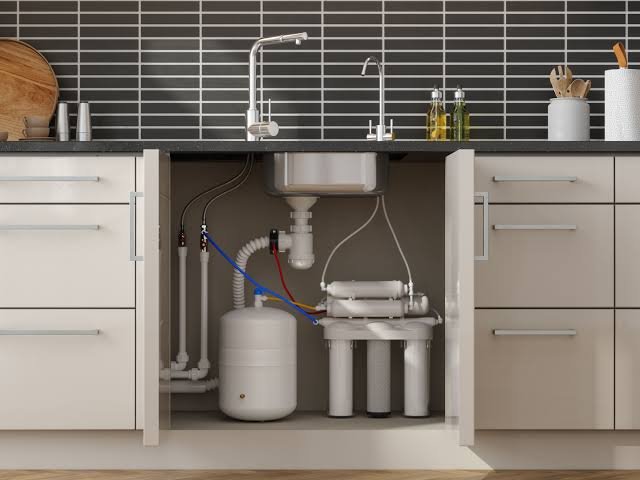
Every homeowner should know where the main water shut-off valve is located. If there are individual shut-off valves beneath sinks, behind toilets, or near appliances, learn how those work too.
Keep a flashlight somewhere easy to reach. Make sure important plumbing access points aren’t buried behind piles of storage. And save the contact information for a reputable local professional before an emergency occurs.
If you own a property with older plumbing, occasional inspections can also be worthwhile. Aging pipes, worn valves, and deteriorating connections can give warning signs long before they fail completely.
Don’t Ignore the Early Warning Signs
Many major plumbing emergencies don’t come entirely out of nowhere.
A pipe may have been slowly corroding. A drain may have been getting slower for months. A toilet may have been making strange noises. Water pressure may have changed gradually.
These signs are easy to dismiss because the system still works. But that’s exactly when they’re easiest to address.
Taking care of a small issue today is generally less disruptive than dealing with a flooded room tomorrow. It might not feel urgent when you first notice it, but preventative action has its advantages.
Stay Calm and Act With Purpose
A plumbing emergency can be messy, expensive, and frustrating. There’s no pretending otherwise.
Still, you don’t have to make the situation worse. Shut off the water if it’s safe. Keep people away from dangerous areas. Avoid questionable DIY repairs. Document the damage, and contact a qualified professional when the problem is beyond a simple fix.
Most importantly, don’t wait for a minor warning sign to become a major crisis.
Your plumbing system works quietly in the background every day. Give it a little attention, know where the shut-off valve is, and have a trusted professional in mind. When something finally goes wrong, you’ll be far better prepared to handle it.