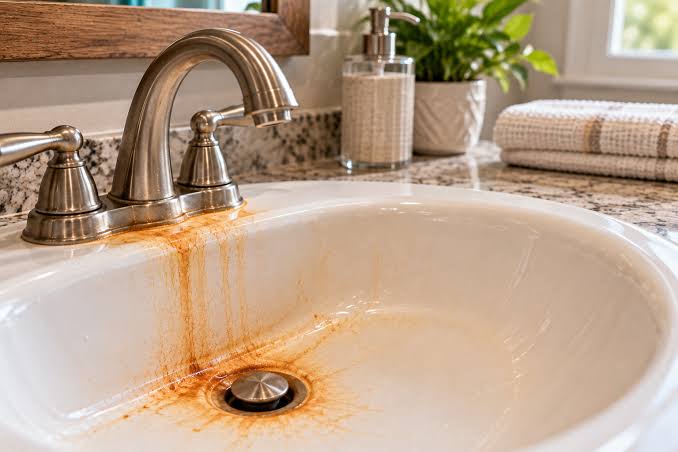
There are certain things you notice about your home every day without really thinking about them. The coffee brewing in the morning, the shower warming up, the dishes waiting beside the sink. Water is part of all of it. So when something changes, even slightly, it can become surprisingly annoying. Maybe white marks keep appearing on the faucets, your soap doesn’t seem to lather properly, or the water from the kitchen tap has a taste you can’t quite get used to.
These problems don’t always mean your water is unsafe, but they can be signs that something deserves a closer look. The challenge is figuring out what that something is. With so many filters, softeners, and treatment devices available, choosing the right equipment can feel overwhelming. A little understanding of your water quality can make the decision much easier.
Start by Understanding Your Water
Before comparing products, take a moment to consider what’s happening around your home. Are mineral deposits building up on showerheads? Does the water have an unusual smell? Is the problem limited to drinking water, or does it affect several bathrooms and appliances?
These observations offer useful clues, although they don’t provide a complete diagnosis. Hard water, for example, contains elevated levels of calcium and magnesium. Those minerals can leave scale on fixtures, affect soap performance, and gradually accumulate inside water heaters. Other concerns, such as sediment, iron, chlorine taste, or specific contaminants, require different approaches.
Your water source matters, too. Municipal supplies are generally treated and monitored, while private wells can vary considerably depending on local geology and surrounding conditions. Even within one neighbourhood, two homes may have different water-quality concerns because of differences in plumbing or supply arrangements.
If you’re unsure what’s causing a problem, testing is a sensible first step. A basic hardness test can identify mineral-related issues, but health-related concerns may require specific testing through a qualified laboratory. Knowing what’s present helps you avoid buying equipment that doesn’t address the real problem.
When Hard Water Makes Everyday Chores Difficult
Hard water is often more of a household nuisance than something people immediately associate with water treatment. You might spend extra time scrubbing white deposits from the bathroom, replace a showerhead sooner than expected, or notice that clean glasses look spotted once they dry. None of these things seems especially serious on its own, but together they can become tiring.
For households dealing with these issues, water softeners may be worth considering. Conventional ion-exchange models reduce hardness by exchanging calcium and magnesium ions for other ions, commonly sodium. This process can help limit scale formation and improve the way soap behaves during washing.
The benefits depend on the original water conditions and the equipment’s size and settings. A properly selected softener may make cleaning easier and reduce mineral buildup in plumbing and appliances. However, it isn’t a universal purifier. It does not automatically remove bacteria, all dissolved contaminants, or every substance that might affect drinking-water safety.
Before installing a softener, find out how hard your water actually is and estimate your household’s daily demand. An undersized unit may struggle to keep up, while an unnecessarily large model can increase costs without offering much additional value. Also consider the ongoing need for salt, regeneration, and routine servicing.
Improving Drinking Water at the Kitchen Sink
Sometimes, the main concern isn’t the water throughout the house. You may be perfectly comfortable using the shower and laundry supply but want better-tasting water for drinking, cooking, and filling reusable bottles.
Reverse osmosis is one option that may suit certain households. These systems use pressure to move water through a semipermeable membrane, reducing many dissolved substances. Depending on the model and its verified performance, they can reduce selected salts, metals, and other contaminants.
When comparing reverse osmosis systems, look beyond the number of filtration stages advertised on the packaging. Check which substances the system is certified to reduce, how much treated water it produces, and how often its filters and membrane need replacing. These details matter much more than an impressive-looking product description.
Installation requirements are worth considering as well. Many units fit beneath the kitchen sink, but cabinet space, drainage connections, water pressure, and storage capacity can affect the choice. Conventional systems also send some water to the drain during production, so it’s sensible to understand their water-use requirements.
Reverse osmosis isn’t necessary for every household. If the concern is simply chlorine taste, a properly selected carbon filter may be enough. If testing identifies a particular contaminant, choose a system specifically designed and certified to reduce it.
Should You Treat Water Throughout the House?
Some problems affect more than the kitchen tap. Sediment may collect in several fixtures, certain tastes and odors may be noticeable throughout the property, or mineral buildup may affect multiple appliances. In these situations, treatment at the point where water enters the home may be worth exploring.
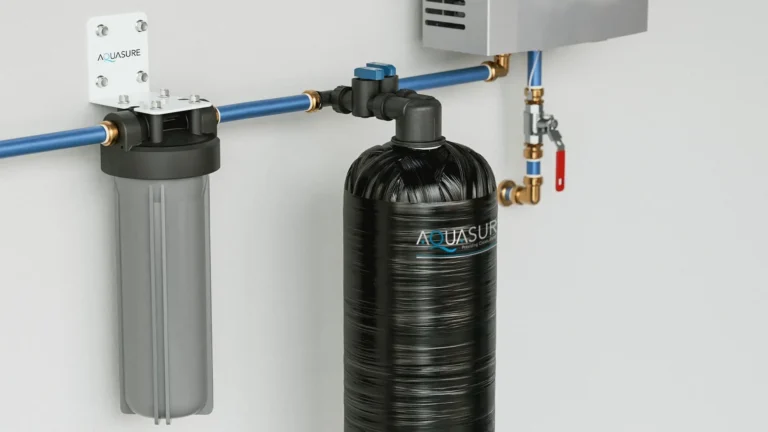
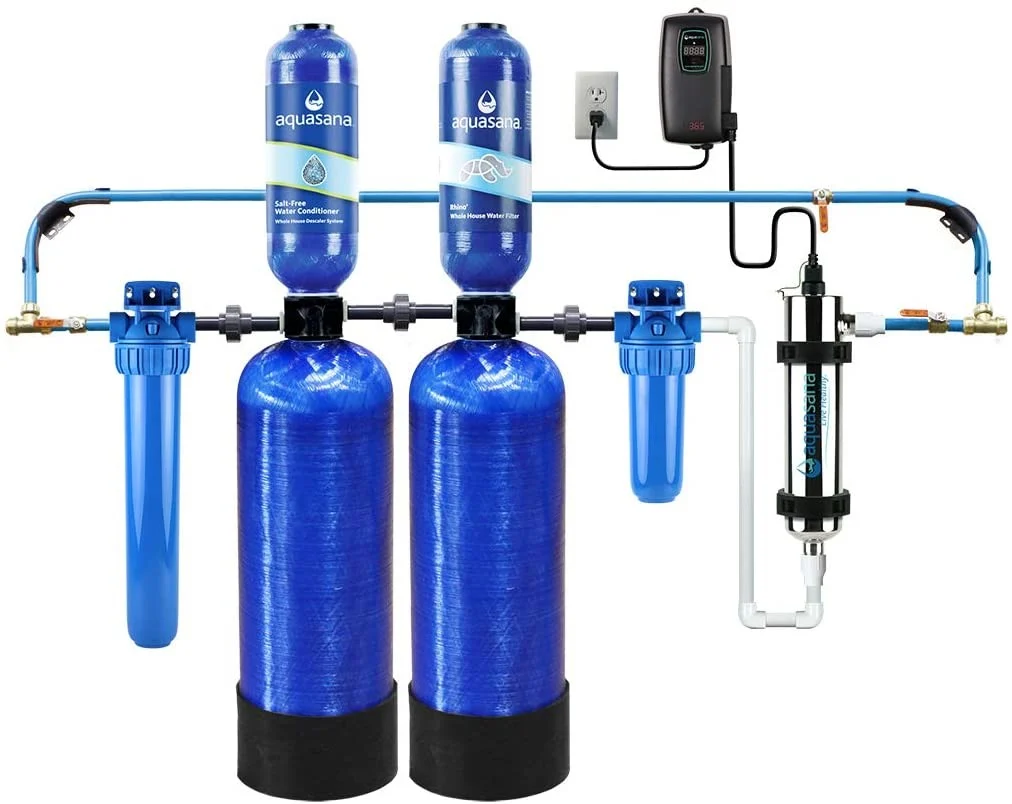
Whole-home water filtration systems can treat incoming water before it reaches the various taps, showers, and appliances. Depending on the design, a system may use sediment filters, activated carbon, or other treatment technologies selected for the water conditions.
It’s important to understand what the equipment is intended to do. A sediment filter captures particles, while activated carbon can reduce certain tastes, odors, and selected compounds. Neither should automatically be expected to remove every dissolved contaminant or make microbiologically unsafe water safe to drink.
Household demand also influences system selection. A family using several showers and appliances at the same time may need a different flow capacity from a smaller household. Ask about pressure loss, installation space, replacement components, and maintenance before committing.
In some homes, combining a softener with a drinking-water filter makes sense. In others, a single point-of-use unit may be sufficient. The right arrangement depends on the test results, not on how many pieces of equipment a provider can fit into a proposal.
Don’t Overlook Maintenance and Long-Term Costs
A water treatment system isn’t something you install and forget about forever. Filters gradually become exhausted, softeners need appropriate regeneration, and reverse osmosis membranes have a limited service life. Ignoring these requirements can reduce performance and sometimes create additional problems.
Before buying equipment, ask for a clear breakdown of installation charges, replacement-part costs, and recommended service intervals. Check whether compatible filters are readily available and whether basic maintenance can be handled at home. A system that looks affordable initially may become expensive if its consumables are costly or difficult to obtain.
Keep a record of installation dates, filter changes, and water-test results. If you notice a sudden change in taste, odor, colour, or water pressure, investigate the cause rather than automatically replacing the equipment. The issue might be a plumbing problem or a change in the source water.
Make a Decision That Fits Your Home
Choosing water treatment doesn’t have to become a complicated project. Start by identifying the problem, testing the water when appropriate, and comparing equipment designed to address the results. Ask questions about performance, limitations, maintenance, and long-term costs before making a commitment.
The most expensive system isn’t necessarily the most suitable one. What matters is whether it solves a real problem and fits comfortably into your household’s routine and budget.
Water is something we depend on every day, often without giving it much thought. With reliable information and sensible maintenance, you can make better choices about the water flowing through your home and enjoy greater confidence in the system you’ve chosen.