Hard water has a way of making itself known through small, everyday annoyances. You might notice white spots on your drinking glasses, a cloudy film around the bathroom faucet, or soap that seems to disappear before it can produce a decent lather. Over time, mineral deposits can build up inside plumbing fixtures and water-using appliances, leaving homeowners wondering whether there’s a better way to manage their water.
A water softener can help, but choosing the right system starts with understanding what hard water actually is and how different treatment methods work. Not every home needs the same solution, and the equipment that works well for one household may be unnecessary or unsuitable for another.
Let’s look at the science behind water softening, the differences between common systems, and a few practical details worth considering before making a purchase.
What Causes Hard Water?
Hard water contains elevated concentrations of dissolved minerals, particularly calcium and magnesium. These minerals naturally enter groundwater as it moves through rocks and soil, especially in areas with limestone and other mineral-rich formations.
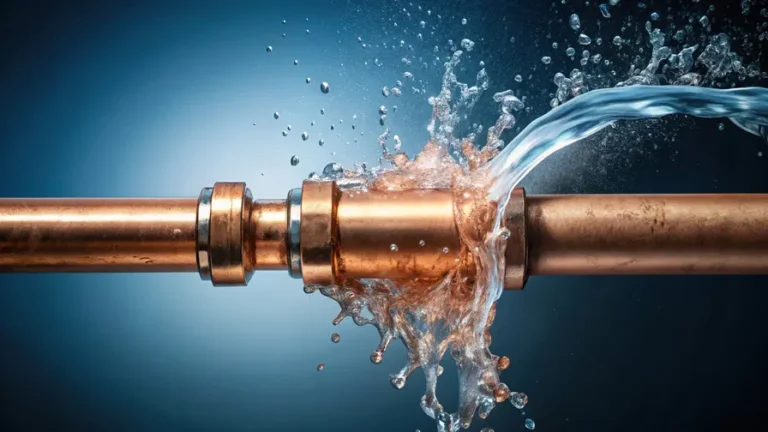
The water can still look perfectly clear. Hardness usually becomes noticeable through its effects rather than its appearance. Soap may react with calcium and magnesium to form a residue, while heated water can encourage mineral scale to develop inside pipes, kettles, washing machines, and water heaters.
For some households, the main concern is cleaning. Shower doors become spotted, laundry feels stiff, and faucets need frequent scrubbing. In other homes, scale accumulation may contribute to reduced appliance efficiency or increased maintenance requirements.
Hard water isn’t generally considered unsafe to drink simply because it contains calcium and magnesium. These minerals occur naturally in drinking water. However, if you’re concerned about bacteria, lead, nitrates, or other contaminants, hardness treatment alone won’t address those issues.
The sensible first step is to test your water and determine whether hardness is actually causing the problems you’re experiencing.
How Water Softeners Work
Understanding how water softeners work makes it easier to decide whether one belongs in your home. Most conventional water softeners use a process called ion exchange to remove the minerals responsible for hardness.
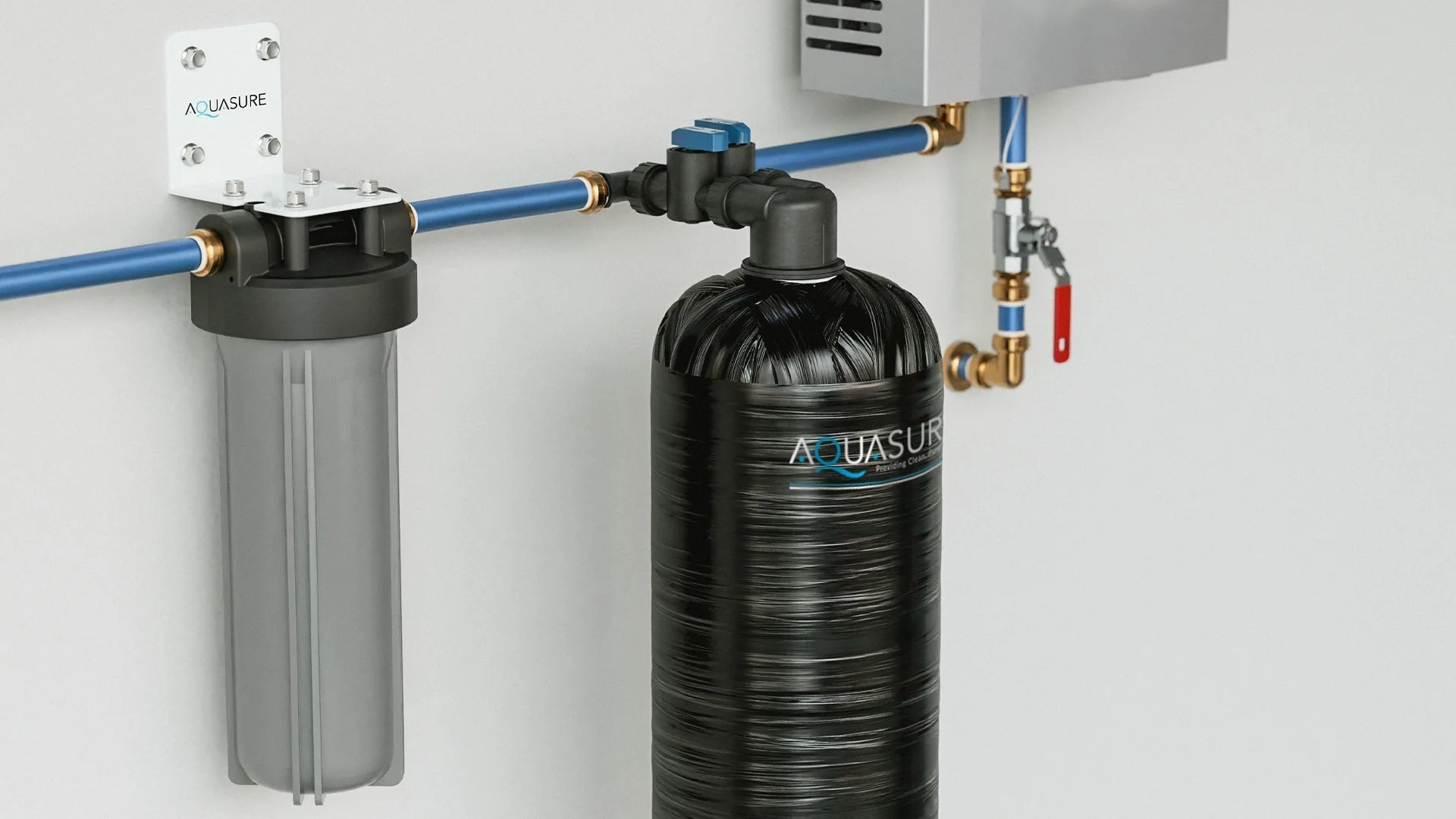
Inside the system is a tank containing small resin beads. These beads carry sodium or potassium ions and attract calcium and magnesium ions as water passes through them. The resin captures the hardness minerals and releases an equivalent amount of sodium or potassium into the treated water.
The result is water with significantly reduced hardness.
As the resin continues treating water, it gradually becomes saturated with calcium and magnesium. Eventually, it needs to be regenerated so it can work effectively again.
This process is usually controlled automatically. The softener uses a concentrated salt solution to flush the accumulated hardness minerals from the resin, restoring its ability to treat incoming water. The resulting wastewater carries those minerals away through an appropriate drain connection.
Modern systems may regenerate according to a timer, measured water consumption, or a combination of settings. Demand-initiated systems can help reduce unnecessary regeneration when properly sized and configured.
System capacity matters here. A household with several people using showers, laundry machines, and dishwashers throughout the day may need a different capacity from a small apartment with lower water consumption.
A Closer Look at the Ion Exchange Process
The ion exchange process is the key reason traditional water softeners can remove hardness rather than simply changing how minerals behave.
Think of the resin beads as tiny exchange stations. As hard water flows through the resin bed, calcium and magnesium attach to the resin, while sodium or potassium enters the water. The exchange continues until the available sites on the resin are largely occupied by hardness minerals.
Regeneration reverses the practical effect of that buildup. A concentrated brine solution provides a high concentration of sodium ions, encouraging the captured calcium and magnesium to leave the resin. The system then rinses the resin before returning to service.
Several factors influence performance, including incoming water hardness, water pressure, resin condition, system capacity, and regeneration settings. Excessive iron or sediment can interfere with some systems, so pretreatment may be necessary when testing identifies these issues.
There are also environmental considerations. Salt-based softeners produce wastewater during regeneration, and the discharge contains concentrated salts and removed minerals. Local rules may restrict how certain systems can be installed or discharged, particularly in areas concerned about salinity.
For these reasons, proper sizing and installation are just as important as understanding the basic chemistry.
Salt-Based Softeners Versus Salt-Free Conditioners
When choosing between salt-based water softeners and salt-free water conditioners, the most important question is what you want the equipment to accomplish.
Salt-based systems remove calcium and magnesium through ion exchange. They are generally the more appropriate choice when the goal is to reduce measured water hardness throughout a home.
Salt-free conditioners work differently. Depending on their technology, they may use template-assisted crystallization or other conditioning methods intended to reduce the tendency of minerals to form hard scale on surfaces.
These systems generally do not remove calcium and magnesium from the water. As a result, the water may still test as hard even when the conditioner is performing as intended. Soap behavior and mineral spotting may also remain different from what homeowners experience with genuinely softened water.
Conditioners can appeal to people who want to manage scale without routinely adding salt or dealing with conventional softener regeneration. However, performance varies by technology and water chemistry, and marketing claims should be evaluated carefully.
Neither option is automatically best for everyone. If your primary concern is stubborn scale and high hardness, a conventional softener may be a better fit. If your objective is scale control while retaining the minerals in the water, a suitable conditioner might be worth investigating.
Ask manufacturers for independent performance data and confirm that the product has been tested under conditions relevant to your water supply.
What to Consider Before Installing a System
Before buying equipment, find out how hard your water is. A professional water test can establish the hardness level and help identify other issues, such as iron, sediment, or unusual pH. For private wells, additional testing may be appropriate based on local groundwater risks.
Next, consider household water use. The system should be sized according to both hardness and demand, not simply the number of bathrooms. An undersized unit may regenerate too frequently, while an oversized system can cost more than necessary.
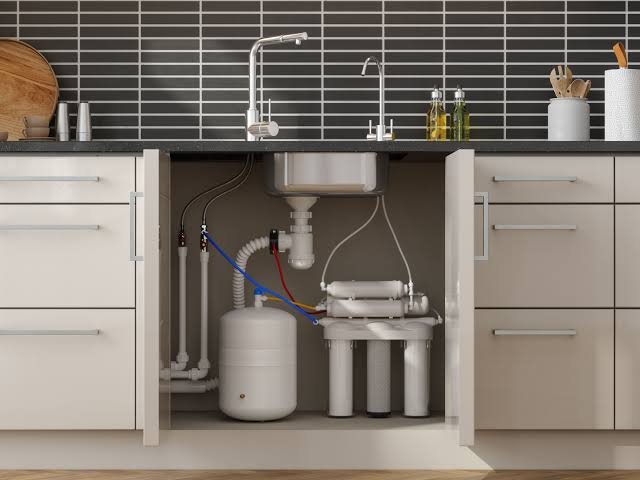
Installation requirements deserve attention as well. Conventional softeners usually need a suitable location, access to the plumbing supply, a drain for regeneration wastewater, and potentially an electrical connection. A qualified installer can confirm what your property requires and whether local regulations apply.
Finally, calculate the long-term cost. Include the purchase price, installation, salt, water used during regeneration, servicing, and replacement components. A cheaper system isn’t always the least expensive option over its useful life.
Keeping Your Water Softener in Good Condition
Once installed, a water softener needs routine attention. Check salt levels according to the manufacturer’s recommendations, look for leaks, and make sure the system isn’t displaying error messages or unusual operating behavior.
If hardness begins returning, possible causes include an empty salt reservoir, incorrect settings, resin problems, or a mechanical fault. Testing the treated water can help establish whether the system is still reducing hardness effectively.
Periodic professional servicing may be useful, especially if your incoming water contains iron or other substances that can affect resin performance. Follow the manufacturer’s instructions rather than relying on universal service intervals that may not suit your equipment.
Also remember that a softener isn’t a complete drinking-water purification system. If testing identifies a specific contaminant, choose a treatment method designed and verified for that substance.
Making the Right Choice for Your Household
Water softening doesn’t need to be complicated, but it does benefit from a little research. Start by identifying the problems you want to solve, test the water, and compare treatment systems based on their actual performance rather than attractive marketing promises.
A conventional softener can make a noticeable difference when hardness minerals are the main concern. A salt-free conditioner may offer another approach when scale control is the priority, provided its limitations are understood.
Ultimately, the best system is one that suits your water chemistry, household needs, budget, and maintenance preferences. With the right information and a properly installed solution, you can reduce everyday frustrations and make a more confident decision about the water flowing through your home.