
When Water Technology Started Getting Smarter
Not too long ago, most household water systems were fairly simple. You installed them, hoped they worked properly, and maybe checked on them once in a while. If something went wrong, you usually didn’t know until you noticed weak pressure, strange taste, or a plumbing issue.
But things have changed.
Today’s water treatment systems are becoming increasingly intelligent. They don’t just filter or soften water — they monitor performance, provide real-time updates, and even help homeowners manage maintenance more efficiently.
It’s part of a broader shift toward smart home technology, where everyday systems quietly work in the background while keeping you informed when needed.
And honestly, it’s making life a lot easier.
The Rise of User-Friendly Control Systems
One of the biggest improvements in modern water systems is how easy they’ve become to manage.
In the past, adjusting settings often meant navigating complex manuals or dealing with mechanical controls that weren’t particularly intuitive.
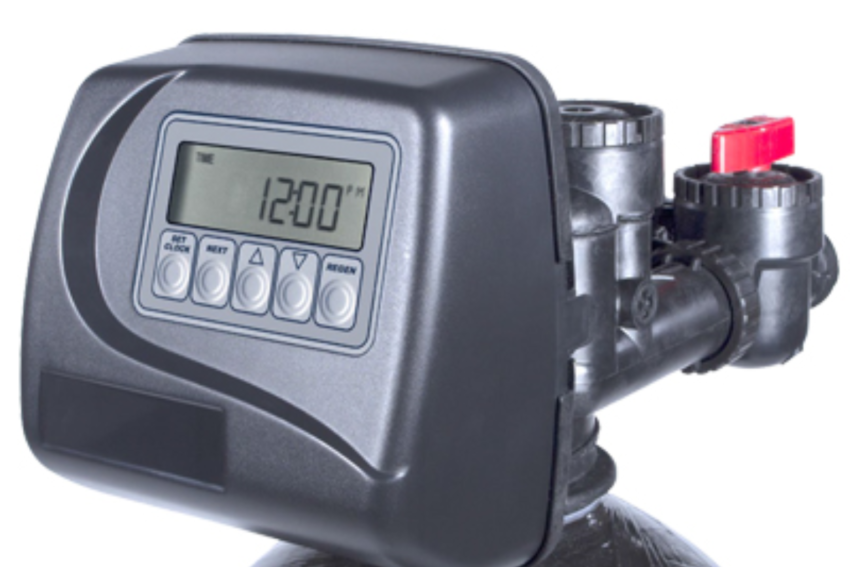
Now, many systems include an lcd display controller that provides clear, real-time information about system performance.
These displays allow homeowners to monitor water usage, track regeneration cycles, and receive alerts when maintenance is required. Instead of guessing whether a system is functioning properly, users can quickly check status with a simple glance.
This transparency helps prevent unexpected problems and ensures consistent water quality.
It’s a small upgrade, but one that dramatically improves everyday convenience.
Why Flexibility Matters in System Design
Modern water treatment systems aren’t just smarter — they’re also more adaptable.
Households vary widely in their water usage patterns, plumbing layouts, and quality requirements. This diversity has led manufacturers to focus on creating solutions that can adjust to different needs.
That’s where modular design features play an important role.
Modular systems allow components to be added, removed, or upgraded without replacing the entire unit. For example, homeowners can integrate additional filtration stages if water quality changes over time.
This flexibility not only saves money but also extends system lifespan. Instead of becoming outdated, modular systems evolve alongside household needs.
It’s a practical approach that reflects how modern technology is increasingly designed for long-term adaptability.
Maintaining Water Flow Without Disruption
One of the concerns homeowners sometimes have about water treatment systems is whether they might interrupt daily water use.
For example, during maintenance or regeneration cycles, older systems often required shutting off water flow temporarily.
Modern systems address this issue through components like the full flow bypass valve.
This feature allows water to continue flowing through plumbing even when the treatment unit is being serviced or temporarily bypassed.
It’s a simple yet valuable improvement. Homeowners don’t have to worry about losing access to water during system adjustments, making maintenance much less disruptive.
In everyday life, this kind of reliability matters more than most people realize.
How Smart Systems Improve Efficiency
Beyond convenience, smart water treatment technology also supports efficiency.
By monitoring usage patterns, modern systems can optimize regeneration cycles and filtration schedules. This reduces unnecessary water consumption and minimizes energy usage.
Some systems even adjust automatically based on seasonal changes or fluctuations in household demand.
The result is a balance between performance and sustainability — cleaner water without excessive resource use.
It’s an example of how technology can quietly improve both comfort and environmental responsibility.
The Importance of Regular Maintenance
Even with advanced features, regular maintenance remains essential for ensuring long-term system performance.
Filters need periodic replacement, system settings should be reviewed occasionally, and components must be inspected for wear.
Fortunately, modern controllers simplify this process by providing reminders and performance data.
This proactive approach helps prevent small issues from becoming larger problems.
It also ensures that water quality remains consistent over time.
Choosing the Right System for Your Home
Selecting a modern water treatment system involves several considerations.
Water testing is often the first step, helping identify specific issues such as hardness, sediments, or chemical content.
Homeowners should also evaluate system capacity, available space, and maintenance requirements.
Professional consultation can be helpful in determining which features — such as smart controls or modular components — best match individual needs.
A thoughtful selection process ensures that the system delivers both immediate benefits and long-term reliability.
Looking Toward the Future of Water Technology
Water treatment systems are likely to become even more advanced in the coming years.
Integration with smart home networks may allow homeowners to control systems remotely through mobile apps. Artificial intelligence could analyze water usage patterns and optimize system performance automatically.
There’s also growing interest in sustainable design, with manufacturers focusing on reducing waste and improving energy efficiency.
These developments suggest that water management technology will continue evolving to meet modern household expectations.
A Quiet Upgrade That Makes Everyday Life Easier
Water is one of the most essential elements of daily life, yet it often receives little attention until problems arise.
Modern smart water treatment systems are changing that dynamic by offering greater transparency, reliability, and control.
From user-friendly displays to flexible design features, these systems provide practical solutions that support both comfort and efficiency.