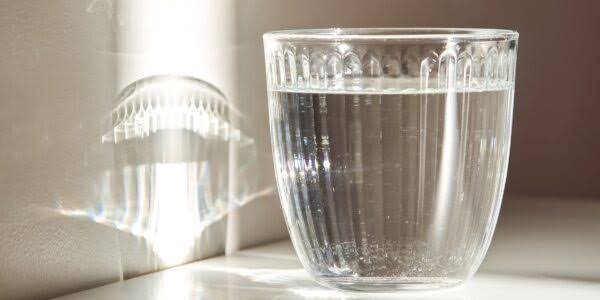
There’s something comforting about a cold glass of water straight from the kitchen tap. It’s one of those everyday moments we rarely think about—until the taste changes, an odd smell appears, or we start wondering what’s actually flowing through the pipes. That curiosity has led many homeowners to take a closer look at the quality of the water they drink every day.
The reality is that water quality varies from one home to another. Even neighborhoods served by the same municipal supply can experience differences because of aging infrastructure, plumbing materials, seasonal treatment changes, or naturally occurring minerals. Homes that rely on private wells face another set of variables altogether.
As people become more aware of these differences, they’re no longer satisfied with guessing whether their water is “good enough.” They want solutions backed by real information, and that’s where modern water filtration comes into the picture.
Water Quality Is About More Than Taste
Most people first notice water issues through taste or smell. Maybe coffee doesn’t taste quite right anymore. Ice cubes seem cloudy, or there’s a faint chlorine odor when filling a glass. Those are obvious signs, but water quality affects much more than flavor.
Water is used for cooking, preparing baby formula, washing fruits and vegetables, making tea and coffee, brushing teeth, and staying hydrated throughout the day. Because it’s such a constant part of daily life, even small improvements can have a surprisingly noticeable impact.
Good water doesn’t simply taste cleaner—it supports a more enjoyable experience every time you use it.
Why drinking water filtration Has Become So Popular
The growing interest in drinking water filtration isn’t just about following a trend. Homeowners want greater confidence in the water their families consume every day.
Modern filtration systems are designed to improve water by reducing unwanted substances that can affect taste, odor, and overall quality. Depending on the system selected, filtration may address chlorine, sediment, dissolved minerals, and a variety of other impurities.
Instead of relying solely on municipal treatment or purchasing bottled water every week, many families prefer having filtered water available directly from their kitchen.
It’s convenient, cost-effective over time, and provides a dependable source of cleaner drinking water without constantly buying plastic bottles.
Understanding What Might Be in Your Water
One of the biggest misconceptions about tap water is that if it looks clear, it’s automatically perfect.
In reality, many substances are completely invisible. Some naturally occurring minerals create hard water, while older plumbing systems may contribute additional impurities. Seasonal changes can also influence water treatment practices, particularly after heavy rainfall or infrastructure maintenance.
Professional water testing helps homeowners understand exactly what’s present in their water before selecting any treatment equipment.
That approach eliminates guesswork and ensures solutions are based on actual water conditions rather than assumptions.
Why Reducing harmful contaminants Matters
Water treatment isn’t always about fixing obvious problems. Sometimes it’s about minimizing long-term exposure to substances that people simply don’t want in their drinking water.
Many filtration systems are designed to reduce harmful contaminants that may be present depending on local water conditions. These can include sediment, chlorine byproducts, certain heavy metals, volatile organic compounds, and other impurities identified through proper testing.
The specific contaminants vary from one location to another, which is why personalized testing remains such an important first step.
Knowing what’s actually in your water allows homeowners to choose treatment systems that address their specific needs rather than relying on generic products that may solve the wrong problem.
Convenience Plays a Bigger Role Than People Expect
Life gets busy.
Between work, school schedules, errands, and family responsibilities, most people appreciate anything that simplifies daily routines.
Having filtered drinking water readily available at home removes one more thing from the to-do list. There’s no need to remember bottled water during grocery shopping or worry about running out before guests arrive.
Fresh drinking water is simply there whenever it’s needed.
Over time, that convenience becomes one of the most appreciated benefits of installing a quality filtration system.
Why under sink systems Are a Favorite Choice
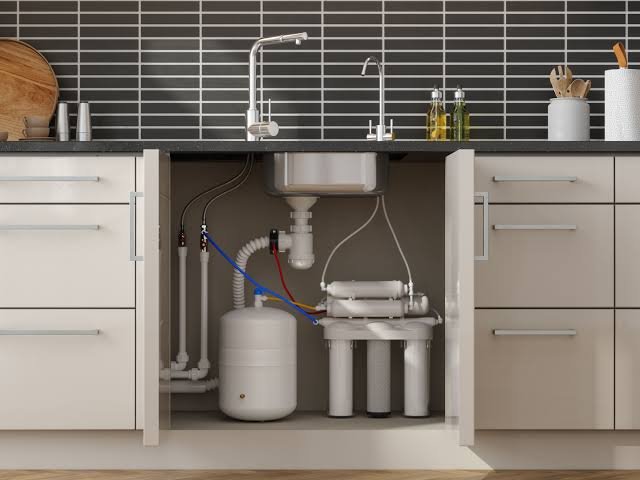
Among today’s home filtration options, under sink systems have become especially popular because they combine effective filtration with a clean, space-saving design.
Installed beneath the kitchen sink, these systems deliver filtered water through a dedicated faucet without taking up valuable countertop space. They’re discreet, practical, and designed to provide high-quality water exactly where families use it most.
Many homeowners appreciate that under-sink filtration blends seamlessly into the kitchen while offering consistent performance for drinking and cooking.
Routine maintenance is generally straightforward, with filter replacements scheduled according to manufacturer recommendations and household water usage.
Better Water Improves Everyday Experiences
People often expect cleaner drinking water to improve hydration, but they quickly discover additional benefits throughout the kitchen.
Coffee develops a smoother flavor.
Tea tastes brighter.
Soups and sauces allow fresh ingredients to shine.
Ice cubes become clearer.
Fresh fruits and vegetables rinse more effectively.
Even something as simple as filling a reusable water bottle before leaving for work becomes a little more satisfying.
These aren’t dramatic lifestyle changes, but together they create a noticeable improvement in everyday living.
It’s often the small details that homeowners appreciate the most after installing a filtration system.
Choosing the Right Solution Makes All the Difference
With so many filtration products available today, selecting the right one can feel overwhelming.
Pitchers, countertop filters, whole-house systems, reverse osmosis units, and under-sink filters all serve different purposes. The best choice depends entirely on the characteristics of your home’s water, your family’s needs, and how you use water throughout the day.
That’s why starting with professional water testing is such a smart decision.
Accurate information leads to better equipment choices, improved performance, lower maintenance costs, and greater satisfaction over the long term.
Rather than purchasing a system based on advertising claims, homeowners invest in solutions that genuinely match their water quality.
Cleaner Water Begins with Informed Decisions
Safe, enjoyable drinking water isn’t something most people want to think about every day—and that’s actually the goal. The best filtration systems work quietly in the background, allowing families to enjoy fresh water without constant concern.
Whether you’re hoping to improve taste, reduce unwanted impurities, or simply gain greater confidence in your home’s water supply, the journey starts with understanding your water and selecting the right treatment for your specific needs.
When clean water becomes part of your everyday routine, countless little moments improve along with it—from your morning coffee to your evening glass of water. And sometimes, those simple daily comforts make the biggest difference of all.