Hard water is one of those household problems people often overlook until it starts affecting their daily routine. At first, the signs seem minor. A few white spots appear on the bathroom taps, soap doesn’t rinse properly, and the showerhead starts looking a little dull. Over time, however, mineral deposits can become more noticeable, making cleaning harder and potentially affecting plumbing fixtures and appliances.
Understanding what’s happening inside your water supply can help you make better decisions. The right treatment doesn’t just improve water quality; it can also make everyday household maintenance a little less frustrating.
Why Mineral Deposits Become a Household Problem
Hard water typically contains higher levels of dissolved calcium and magnesium. These minerals aren’t generally considered harmful to health, but they can create plenty of inconvenience around the house. When water evaporates from a surface, the minerals remain behind, leaving chalky marks on faucets, shower doors, sinks, and glassware.
The problem gradually becomes more noticeable. You may find yourself cleaning bathroom surfaces more frequently or using extra detergent just to get clothes and dishes looking clean. Even something as simple as washing your hands can feel different when soap doesn’t lather easily.
Mineral deposits can also accumulate inside water heaters, pipes, and appliances that regularly use hot water. That’s where the issue moves beyond appearance. Deposits may interfere with heating efficiency and contribute to additional maintenance over the years.
Recognizing the Signs of Hard Water
Some clues are easy to spot, while others are hidden behind walls or inside appliances. White or cloudy spots on glassware, stiff laundry, dry-feeling skin, and stubborn residue around faucets are common signs homeowners notice.
You might also hear unusual noises from a water heater or see a gradual reduction in water flow from certain fixtures. These symptoms can have several causes, so it’s worth testing your water rather than assuming mineral hardness is responsible for everything.
A simple water test can reveal hardness levels and help determine whether treatment is actually needed. That’s a better starting point than purchasing equipment based on guesswork.
How Water Softening Can Help
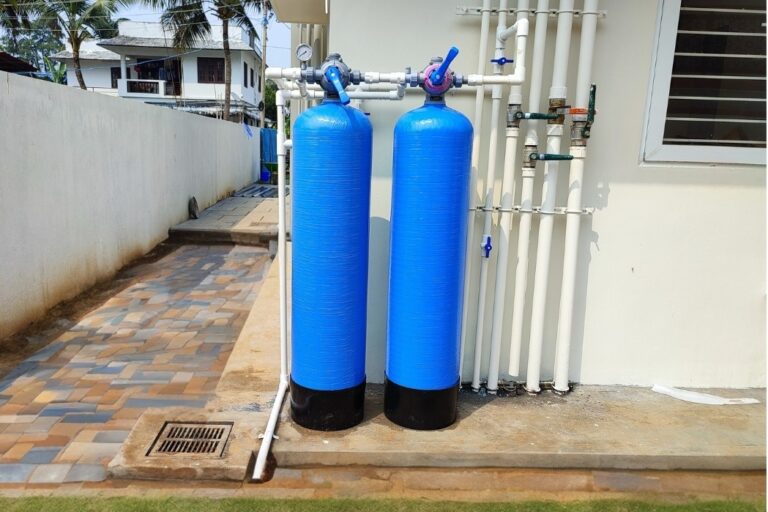
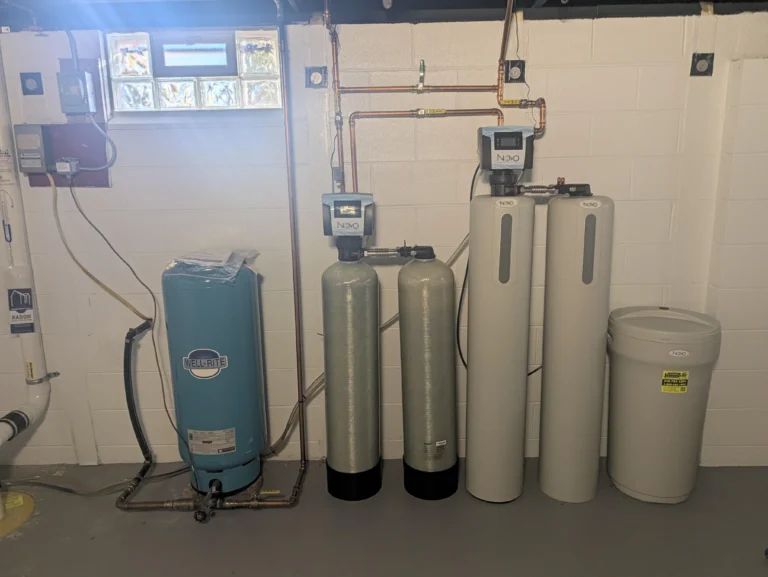
Installing water softeners for mineral buildup can be an effective way to address excessive calcium and magnesium in household water. Traditional salt-based softeners use ion exchange, replacing hardness minerals with sodium or potassium ions. The process reduces the minerals responsible for many of the familiar hard-water problems.
With properly treated water, soap tends to work better, laundry may feel softer, and cleaning bathroom surfaces can become easier. Appliances that use water may also experience less mineral accumulation, potentially reducing the need for frequent maintenance.
Of course, every home is different. Water hardness, household size, plumbing conditions, and daily water consumption all influence which system makes sense. A unit that’s too small may struggle to meet demand, while an unnecessarily large system can increase installation and operating costs.
Protecting Fixtures, Pipes, and Appliances
The bathroom and kitchen are usually where hard water makes its presence felt first. Faucets, showerheads, glass enclosures, and stainless-steel sinks can develop stubborn mineral marks that aren’t always easy to remove with ordinary cleaners.
Over time, scale buildup on fixtures can make surfaces appear older than they really are. Regular cleaning helps, but it doesn’t address the minerals coming through the water every day. Treating the water at its source can make a noticeable difference in how quickly those deposits return.
Water heaters, dishwashers, washing machines, and other appliances may also benefit from reduced mineral exposure. This doesn’t mean a softener will eliminate every maintenance problem, but it can help limit one common cause of wear and buildup.
Choosing a Treatment System That Fits Your Home
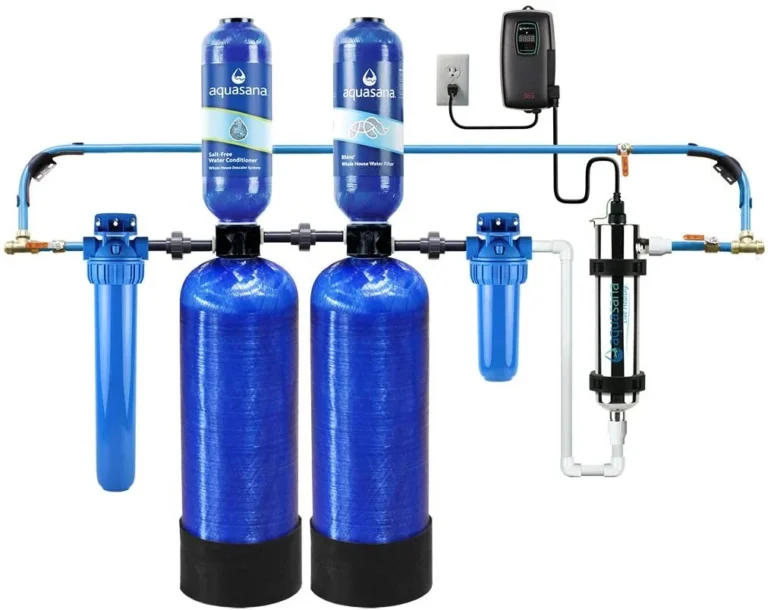
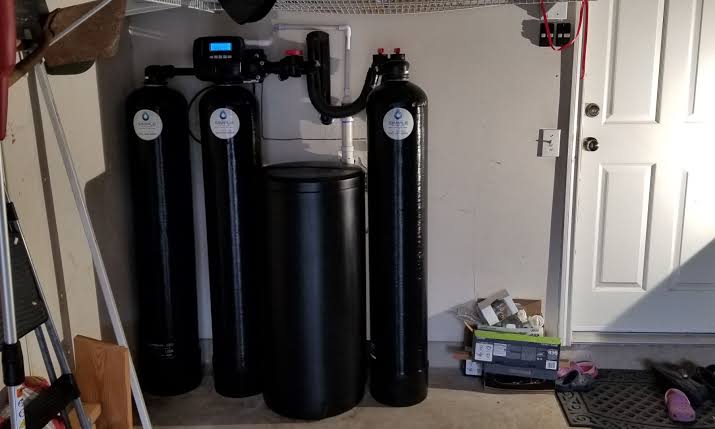
There’s no single water treatment solution that works perfectly for every household. Some homes may need a conventional softener, while others could benefit from a combination of sediment filtration, carbon filtration, or additional treatment based on their water test results.
Professional residential water conditioning can help homeowners understand their water quality before investing in equipment. A proper assessment considers hardness, sediment, chlorine, water usage, and any other concerns specific to the property.
It’s also worth thinking about maintenance. Softener systems generally require periodic salt replenishment, occasional cleaning, and routine checks. Knowing these requirements upfront makes it easier to choose equipment you’ll be comfortable maintaining in the long run.
A Better Water Experience Starts with the Right Solution
Hard water doesn’t usually create an overnight emergency, but its effects can slowly become part of everyday life. More cleaning, stubborn residue, inefficient appliances, and repeated frustration add up.
The good news is that these problems are manageable. Testing your water, understanding the cause, and choosing an appropriate treatment system can improve the way water works throughout your home. Sometimes the best home improvement isn’t something dramatic or visible. It’s simply making the water you use every day work a little better for you.