Water is one of those things we rarely think about until something seems wrong. Perhaps your morning tea has developed an odd aftertaste, your shower water smells unpleasant, or tiny particles occasionally appear in your drinking glass. Nothing particularly dramatic, yet enough to make you question the quality of your household supply.
Buying a filter might seem like the obvious answer. However, not every filtration product addresses the same concerns, and choosing the wrong equipment can leave you spending money without seeing meaningful improvements.
A little understanding goes a long way. Knowing what’s in your water, how treatment technologies work, and what your household genuinely needs can make the entire decision considerably easier.
Understanding the Importance of Treating Household Water
Water travels through natural environments, treatment facilities, distribution networks, and plumbing before reaching your faucet. Along the way, its characteristics can change depending on several factors.
Investing in home water treatment and filtration can help address specific water quality concerns, including suspended sediment, unpleasant tastes, excessive hardness, and certain unwanted contaminants.
The benefits depend largely on the treatment methods selected. A carbon filter might improve the flavor of drinking water, while a water softener could help reduce stubborn mineral deposits.
Rather than assuming every household needs an elaborate treatment arrangement, it’s worth identifying the problems that actually exist.
Sometimes, a relatively simple solution can make a noticeable difference.
Recognizing the Signs That Your Water Needs Attention
Your home may already be offering clues about its water quality.
Perhaps you’ve noticed reddish stains around the bathtub, cloudy drinking glasses, or an unusual smell coming from the kitchen faucet. These observations can provide useful starting points for further investigation.
White deposits frequently indicate water hardness, while reddish discoloration may be associated with iron or plumbing corrosion. Visible particles could originate from aging pipes or naturally occurring sediment.
However, appearances don’t tell the entire story. Some contaminants cannot be detected through taste, smell, or sight.
Professional testing helps identify the underlying cause rather than relying on assumptions. It can also prevent homeowners from purchasing treatment equipment that doesn’t address their particular concerns.
Different Filtration Technologies Serve Different Purposes
Walk through the water treatment section of a home improvement store, and you’ll quickly discover just how many products are available. Choosing between them can feel unnecessarily complicated.
Effective filtration for household water quality begins with matching the treatment technology to the substances you want to reduce.
Sediment filters capture suspended particles such as sand, rust, and silt. Activated carbon filters can help reduce chlorine and certain unwanted tastes and odors.
Reverse osmosis systems can reduce various dissolved contaminants when independently certified for those specific purposes. Water softeners, meanwhile, primarily address excessive calcium and magnesium concentrations.
These technologies aren’t interchangeable, although they can complement one another.
Understanding what each system accomplishes makes it easier to avoid unnecessary purchases and focus on practical improvements.
Why Centralized Filtration Appeals to Homeowners
A filter attached to the kitchen faucet can certainly be useful. But what happens when water quality concerns extend beyond drinking and cooking?
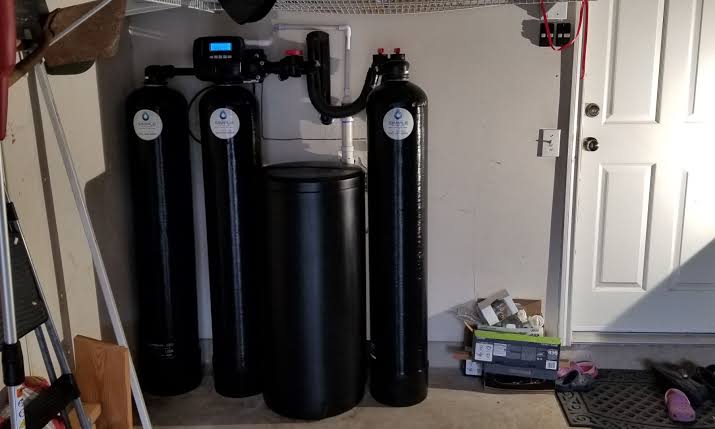
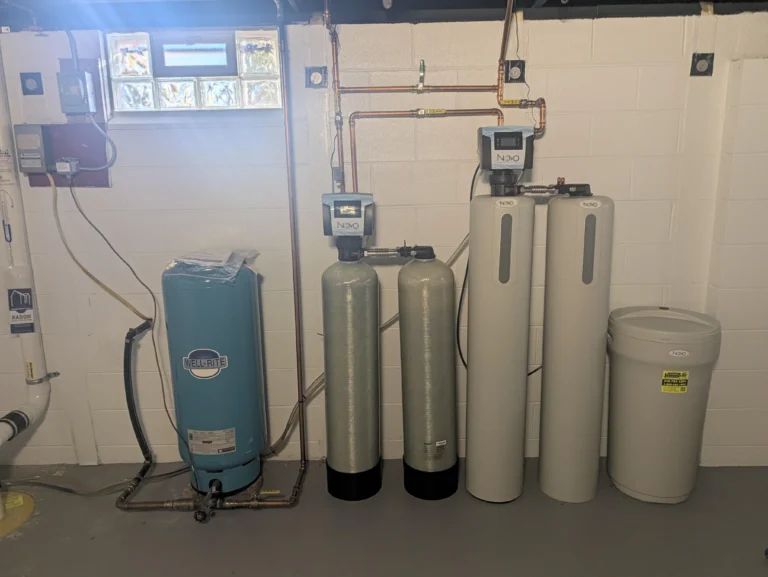
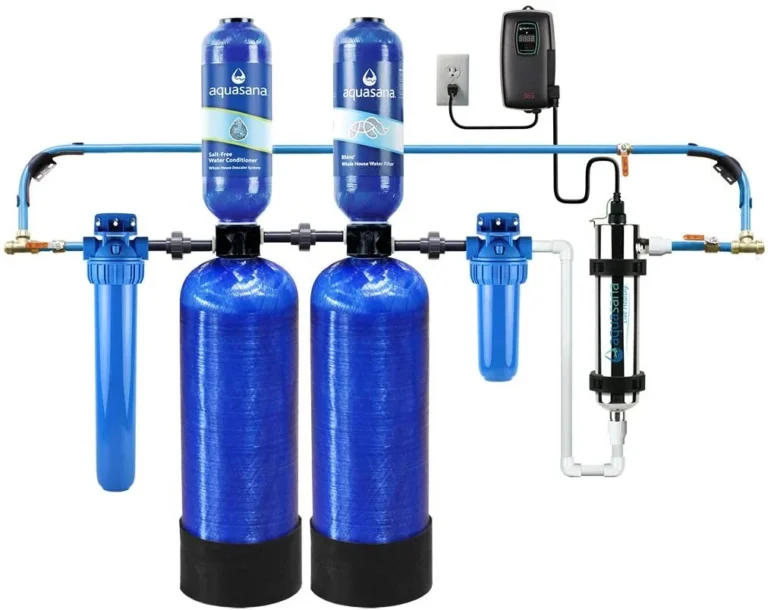
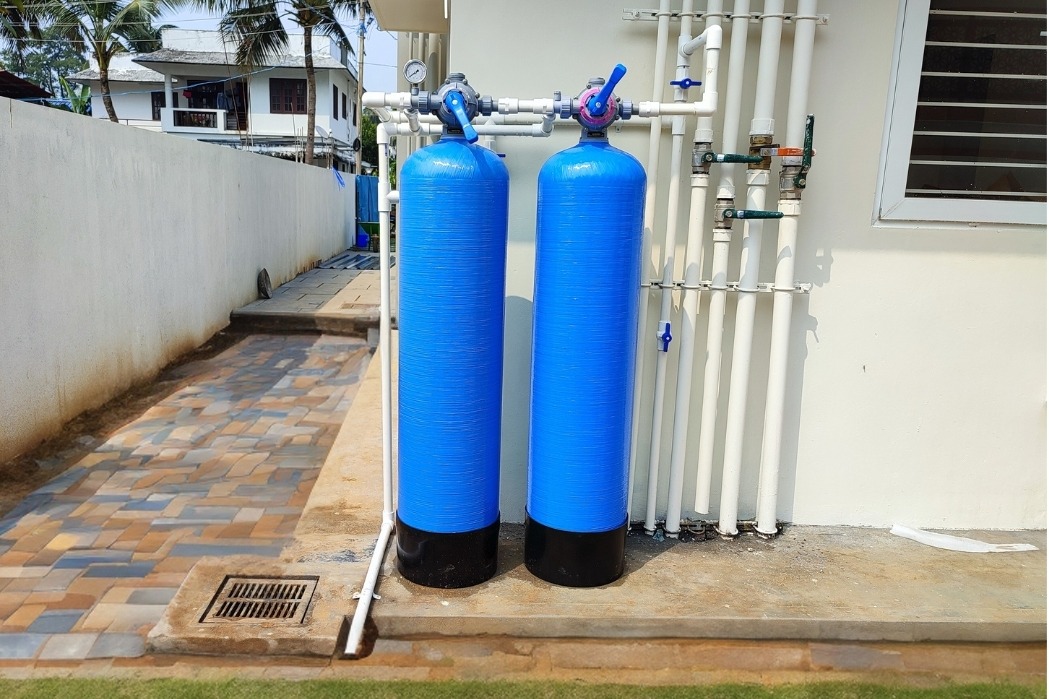
Centralized treatment addresses incoming water before it reaches connected household fixtures. This can be particularly convenient when similar problems occur in bathrooms, laundry rooms, and kitchens.
When exploring whole-home filtration options, homeowners should consider water test results, household consumption, available installation space, and the treatment capacity required.
A family living in a large property may need equipment capable of accommodating several simultaneous water-consuming activities. Smaller households might require a less extensive arrangement.
The aim is to maintain comfortable water flow while effectively addressing identified concerns.
Bigger isn’t always better, especially when additional capacity comes with higher installation and maintenance expenses.
The Everyday Benefits You Might Actually Notice
Water filtration isn’t necessarily about dramatic changes. Often, its advantages become apparent through ordinary household routines.
Your drinking water may taste fresher. The unpleasant disinfectant smell during a morning shower might become less noticeable. Appropriate sediment filtration could also reduce particles accumulating around faucet aerators.
When softening is included to address excessive hardness, homeowners may experience fewer mineral deposits and easier cleaning.
These little improvements can add up over time.
There’s genuine satisfaction in preparing a cup of coffee without an unwanted aftertaste or finishing household chores without repeatedly dealing with the same water-related frustrations.
Think About Maintenance Before Making a Purchase
It’s easy to concentrate on the initial price of water treatment equipment and overlook what happens afterward.
Filters require replacement, certain treatment media need periodic servicing, and conventional water softeners require salt replenishment.
Before purchasing a system, ask about replacement component availability, recommended service intervals, operating expenses, and warranty coverage.
Equipment that’s affordable to purchase but expensive to maintain may not offer the best long-term value.
Also, consider how easily you can access the equipment for routine maintenance. Nobody wants a simple filter replacement to become an unnecessarily complicated household project.
Does Every Home Need Advanced Water Treatment?
Not necessarily. Some households receive water that already meets their needs, while others experience specific issues requiring targeted treatment.
Reliable testing provides a more useful starting point than advertising claims. If drinking water safety is a concern, appropriate laboratory analysis may be necessary.
The right treatment arrangement should solve genuine problems without introducing unnecessary complexity.
Better Water, Better Everyday Living
Improving household water quality is ultimately about making informed choices that suit your property, budget, and lifestyle.
With appropriate testing, suitable equipment, and regular maintenance, homeowners can address many common water concerns without overcomplicating things.
After all, a comfortable home isn’t defined solely by its furniture, appliances, or appearance. Sometimes, it’s the things working quietly behind the scenes that make the biggest difference. Reliable water treatment can be one of them.