A good water treatment system can serve a household or business for years, but no equipment lasts forever. Technology improves, water needs change, and sometimes an older system simply isn’t delivering the performance it once did. Maybe filters need replacing too frequently, mineral buildup keeps returning, or the system struggles to keep up with daily demand. These are often signs that it’s time to take another look at your water setup.
Upgrading doesn’t necessarily mean replacing everything. In many cases, a few improvements can make an existing system more efficient and reliable. The key is knowing what needs attention and choosing a solution that makes sense for the long term.
When Is It Time to Upgrade Your Water Treatment System?
Many people continue using older equipment because it still technically works. That’s understandable, especially when the original investment was significant. But a system that operates poorly can lead to higher maintenance costs, inconsistent water quality, and unnecessary frustration.
Changes in water taste, reduced flow, recurring scale deposits, frequent filter replacements, or unusual system noises may indicate that the equipment needs inspection. Sometimes the problem is a worn component rather than the entire system. Other times, the original setup may no longer suit the property’s water conditions or usage.
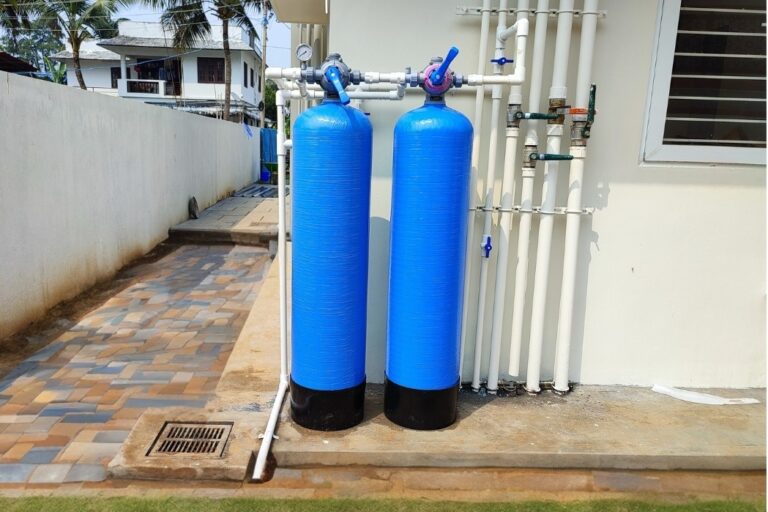
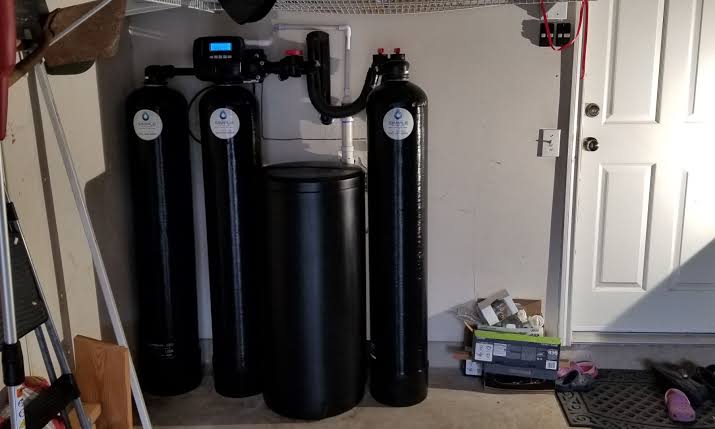
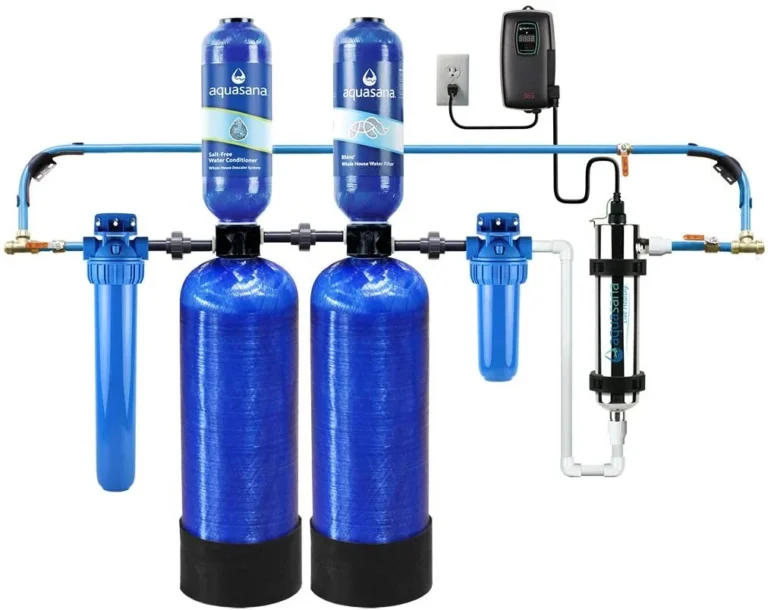
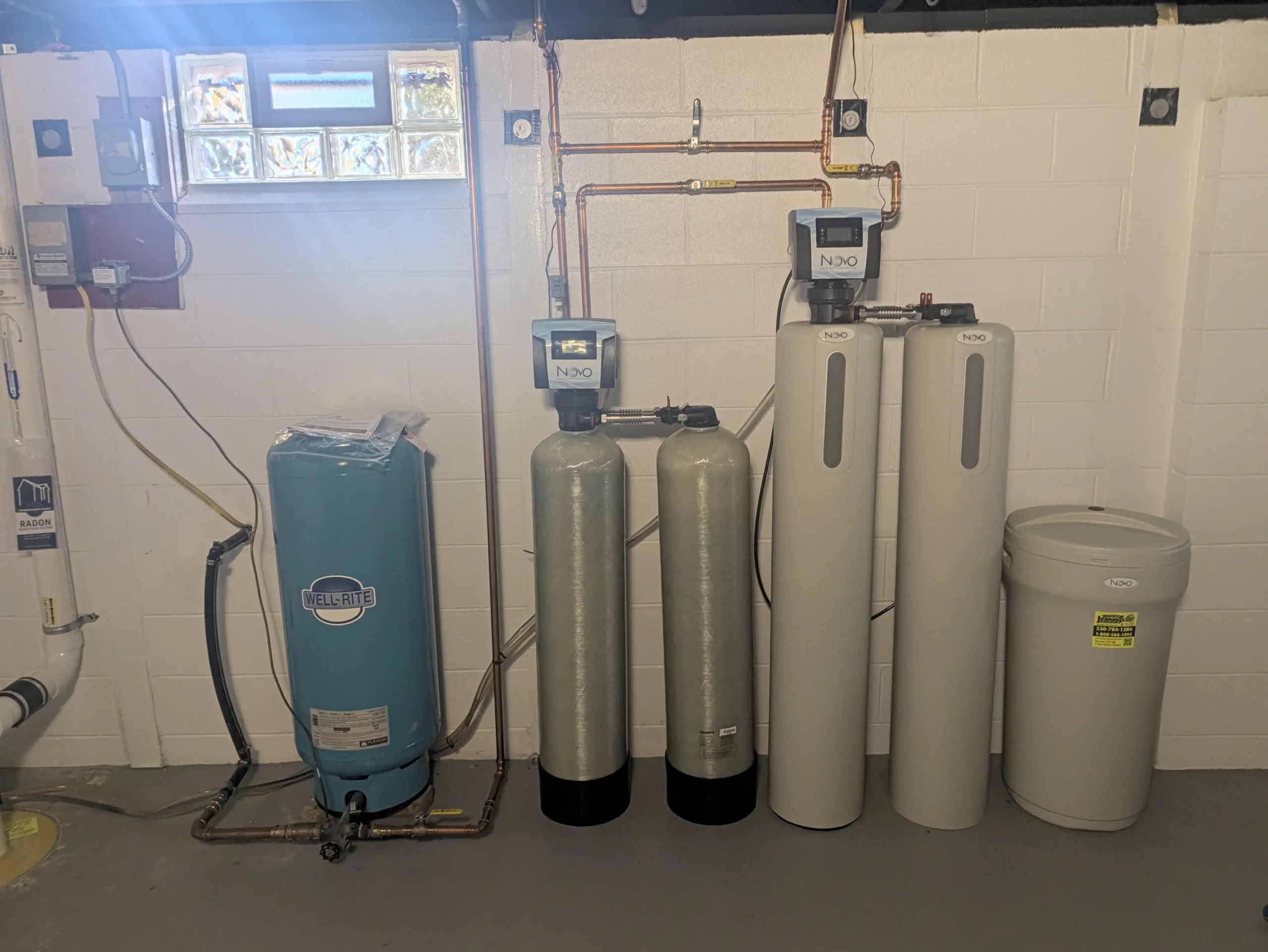
Exploring water treatment system trade-ins and upgrades can be a practical way to evaluate newer equipment without starting the decision-making process from scratch. Depending on the provider, trade-in programs may offer credit toward replacement equipment, while upgrades can introduce improved filtration technology, better capacity, or easier maintenance. It’s worth comparing the existing system’s condition with the cost and benefits of newer alternatives before making a final decision.
Getting More From Your Existing Equipment
Before investing in a replacement, take a closer look at what your current system is doing. Is it treating the water properly? Are filters being changed on time? Has the water source changed? Could a small repair restore performance?
A professional assessment can help answer these questions. Water testing, checking pressure, inspecting valves, and evaluating filter condition may reveal issues that aren’t immediately obvious. Sometimes, replacing a membrane or adjusting a system can make a noticeable difference.
It’s also important to consider the age and availability of replacement parts. Older systems may become expensive to maintain if compatible filters or components are difficult to find. In that situation, upgrading may be more economical than continuing to repair equipment that is nearing the end of its useful life.
Convenient Access to Drinking Water
Clean drinking water should be easy to access, whether at home, in an office, a workshop, or a commercial property. People are more likely to refill reusable bottles when a reliable source is available nearby, and businesses can make hydration more convenient for employees, visitors, and customers.
A properly installed water fill-up station can provide a practical alternative to repeatedly buying bottled water. Depending on the model, these stations may connect directly to the water supply and include filtration, bottle-filling features, or chilled water options. They’re particularly useful in workplaces, gyms, schools, public spaces, and locations where several people need access throughout the day.
When choosing a station, consider expected usage, available space, filtration requirements, installation access, and cleaning needs. A unit designed for a small office may not be suitable for a busy facility. It’s also sensible to check the filter specifications and servicing requirements before purchasing, so the station remains dependable rather than becoming another neglected appliance.
Why Maintenance Still Matters After an Upgrade
Installing newer equipment can improve performance, but it doesn’t eliminate the need for regular care. Filters still need replacing, connections should be inspected, and system performance needs to be monitored. Even advanced treatment technology can lose effectiveness if it’s neglected.
Consistent ongoing water treatment maintenance helps keep equipment working according to its intended design. Depending on the system, this may include filter changes, cleaning, checking pressure levels, inspecting components, testing treated water, and addressing minor issues before they become bigger problems.
A simple maintenance schedule can make things much easier. Keep records of installation dates, service visits, filter changes, and repairs. These details are especially useful when dealing with multiple systems across a home or business.
Choosing an Upgrade That Fits Your Budget
It’s tempting to select equipment based on the latest features or a convincing sales pitch. However, the best system is the one that actually addresses your water concerns and fits your usage.
Compare installation costs, replacement filters, warranties, servicing expenses, expected lifespan, and performance specifications. Ask what the system is designed to reduce and whether those claims are supported by appropriate testing or certification.
A good water treatment provider should explain the options clearly, without making every problem sound like an emergency. If a repair is enough, you shouldn’t have to replace an entire system.
Investing in Better Water for the Future
Water treatment is something most people want to set up and forget about. Ideally, it works quietly in the background, supporting everyday routines without demanding constant attention. But a little planning, timely maintenance, and the occasional upgrade can help keep things that way.
Whether you’re improving an existing filtration system, replacing aging equipment, or adding a convenient bottle-filling station, making decisions based on your actual water needs is always worthwhile.
Better water doesn’t have to involve complicated equipment or unnecessary spending. Sometimes, the smartest investment is simply improving what you already have and making sure it continues to work properly for years to come.